1 Roosevelt Avenue, Suite 203 Peabody, MA 01960




Dental Crowns in Peabody, MA
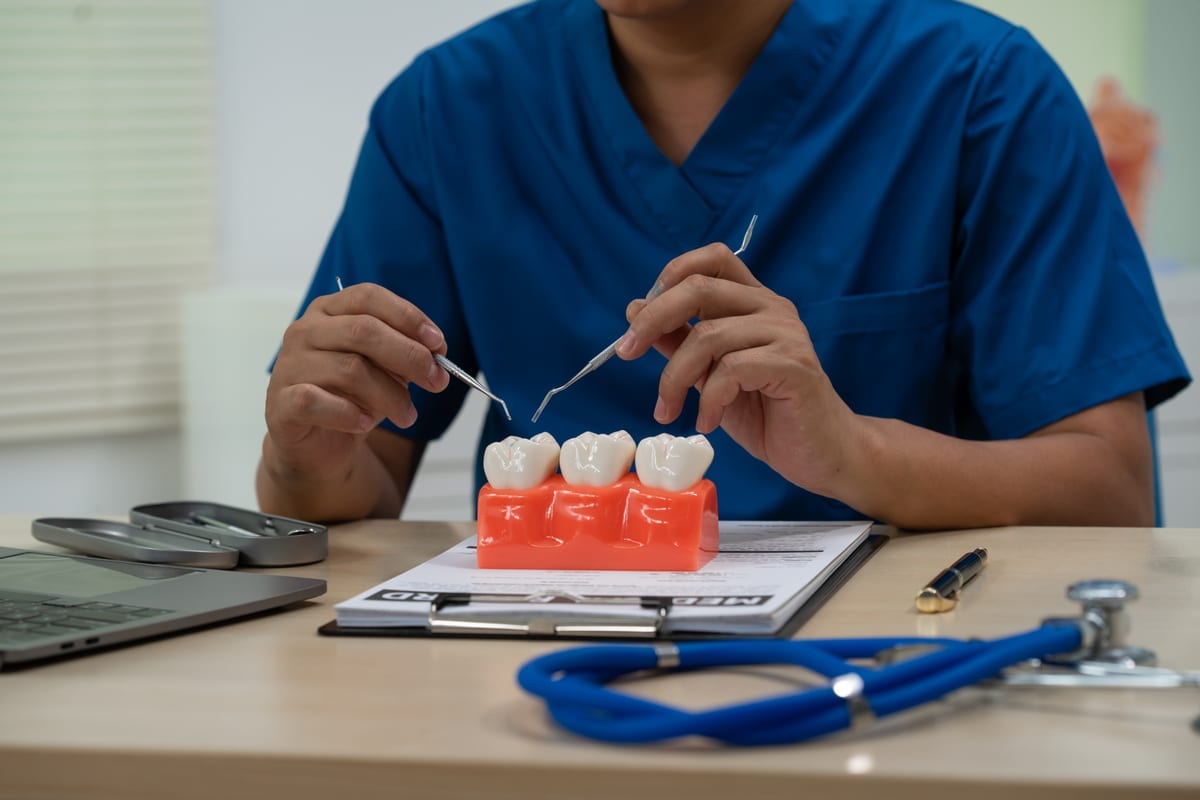
If your dentist recently told you that you need a dental crown, you probably had questions. Why a crown? Can’t a filling work instead? For patients in Lynnfield, understanding why your dentist recommended a crown is an important part of feeling confident in your care. At Coastal Dental Arts Peabody, Dr. Peter Brzoza believes informed patients make better decisions. This article walks you through the most common clinical reasons a crown becomes necessary.
What Is a Dental Crown and What Does It Do?
A dental crown is a custom-fitted cap that covers an entire tooth. It restores the tooth’s shape, strength, and function. Crowns are part of Restorative Dentistry, which focuses on repairing damaged or compromised teeth. They are typically made from porcelain, ceramic, or metal alloy materials.
Crowns are not cosmetic upgrades — they are structural solutions. When a tooth is too damaged for a simple filling to hold, a crown steps in. It surrounds the entire visible portion of the tooth above the gumline. This prevents further cracking, decay, or fracture from spreading.
The crown process usually requires two visits. At the first visit, your dentist prepares the tooth and takes an impression. At the second visit, the permanent crown is placed and adjusted for your bite.
Clinical Reasons Your Dentist Recommended a Crown in Lynnfield
There is no single reason a dentist recommends a crown. Several specific clinical conditions make a crown the most appropriate treatment. Understanding each one helps you see why Dr. Brzoza made that recommendation for your specific situation.
Cracked Tooth Syndrome
A cracked tooth is one of the most common reasons patients need a crown. Cracks can develop from biting hard foods, grinding teeth at night, or an old injury. Small cracks may not show up clearly on an X-ray. But they can cause sharp pain when biting or sensitivity to temperature changes.
If left untreated, a crack can extend deeper into the tooth. Eventually, it can reach the nerve or split the tooth entirely. A crown holds the tooth together. It prevents the crack from spreading and relieves the associated pain.
A Large or Failed Filling
Fillings do not last forever. Over time, they can break down, crack, or separate from the surrounding tooth. When a filling is very large, there may not be enough healthy tooth structure left to support a new filling. In these cases, a crown is the stronger, longer-lasting option.
Large fillings can also weaken the remaining tooth walls. This makes the tooth vulnerable to fracture. A crown covers and reinforces those weakened walls. It essentially becomes the new outer surface of the tooth.
After a Root Canal Treatment
A tooth that has undergone Root Canals treatment becomes more brittle over time. The procedure removes the nerve and pulp tissue from inside the tooth. Without that internal moisture and support, the tooth can dry out and crack more easily.
That is why most root canal-treated teeth require a crown afterward. The crown acts as a protective shell. It guards the treated tooth against everyday chewing forces. This significantly extends the life of the tooth.
A Broken or Missing Cusp
Cusps are the pointed or rounded bumps on the chewing surfaces of your back teeth. They can break off due to decay, grinding, or biting something hard. When a cusp breaks, the remaining tooth structure may be too irregular for a filling to bond properly.
A crown restores the full shape of the tooth. This allows you to chew comfortably and evenly again. Without treatment, the broken tooth can shift, decay further, or cause jaw pain. Dr. Brzoza evaluates the extent of the damage to determine the best course of action.
What Are the Benefits of Getting a Crown When Recommended?
Some patients wonder whether they can wait or skip the crown altogether. Acting promptly on a crown recommendation offers significant advantages for your long-term dental health.
- Prevents further tooth damage — A crown stops existing cracks or decay from worsening.
- Restores full chewing function — You can eat comfortably without pain or limitations.
- Protects root canal-treated teeth — It extends the lifespan of the treated tooth considerably.
- Avoids tooth loss — Treating the tooth now reduces the risk of extraction later.
- Preserves surrounding teeth — A stable, restored tooth keeps neighboring teeth properly aligned.
- Natural appearance — Porcelain crowns blend seamlessly with surrounding teeth.
Delaying treatment often leads to more complex problems. A tooth that could have been saved with a crown may eventually require extraction. Prevention is always more affordable and comfortable than the alternative.
What to Expect During Your Crown Appointment at Coastal Dental Arts Peabody
Many patients feel anxious about getting a crown. Knowing what happens during the process can ease that concern. Dr. Brzoza and the team at Coastal Dental Arts Peabody walk patients through every step.
- Examination and X-rays — Dr. Brzoza assesses the tooth and surrounding bone to confirm a crown is needed.
- Tooth preparation — The tooth is gently shaped to make room for the crown. Local anesthesia is used throughout.
- Impression or digital scan — A precise mold of your tooth is taken to fabricate the crown.
- Temporary crown placement — A temporary crown protects the tooth while your permanent crown is being made.
- Permanent crown placement — At your second visit, the final crown is bonded and adjusted to fit your bite perfectly.
Most patients find the process straightforward and comfortable. The team prioritizes your comfort throughout both appointments. If you have dental anxiety, let Dr. Brzoza know in advance so accommodations can be made.
Is a Crown Always the Right Answer?
Not every damaged tooth needs a crown. Smaller areas of decay or minor chips may be addressed with fillings or dental bonding. Dr. Brzoza always recommends the most conservative treatment that will effectively protect your tooth. A crown is only suggested when the damage is too extensive for a less invasive option.
It is also worth noting that a crown is designed to last. With proper care and regular cleanings, a well-placed crown can last 10 to 15 years or longer. Good oral hygiene at home and routine checkups help maximize that lifespan.
If you are a Lynnfield patient who received a crown recommendation and want a second opinion or more clarity, that is completely understandable. Dr. Brzoza welcomes those conversations openly and honestly.
Understanding why your dentist recommended a crown makes it easier to say yes to treatment with confidence. Whether it is a cracked tooth, a failed filling, or a post-root-canal situation, crowns are a clinically proven way to protect your smile for years to come. Book Now to schedule your appointment with our team.
Frequently Asked Questions
Does getting a dental crown hurt?
Most patients experience little to no discomfort during the procedure. Local anesthesia is used to numb the area before the tooth is prepared. Some mild sensitivity after the appointment is normal and typically resolves within a few days.
How long does a dental crown last?
A well-placed crown can last anywhere from 10 to 15 years or longer. Its lifespan depends on your oral hygiene habits, diet, and whether you grind your teeth. Regular dental checkups help monitor the crown’s condition over time.
Can I avoid a crown if the tooth does not hurt?
Not necessarily. Many teeth that need crowns are not painful — especially early-stage cracks or weakened fillings. Waiting for pain to appear often means the damage has progressed significantly. Dr. Brzoza recommends treatment based on what he observes clinically, not just on symptoms.
Why do I need a crown after a root canal?
A tooth that has had a root canal loses its internal blood supply and becomes more brittle over time. Without a crown, the tooth is at high risk of cracking under normal chewing pressure. A crown protects the tooth and helps it function normally for many more years.
Is there an alternative to a dental crown?
In some cases, dental bonding or an inlay or onlay may be appropriate for less extensive damage. However, when damage is significant — such as a broken cusp, large filling failure, or post-root-canal — a crown is typically the most durable long-term solution. Dr. Brzoza will always discuss your options before recommending a specific treatment.


Want to schedule an appointment?
Ready to book your next appointment? Let's find the perfect time for you!