1 Roosevelt Avenue, Suite 203 Peabody, MA 01960




Dentures in Peabody, MA
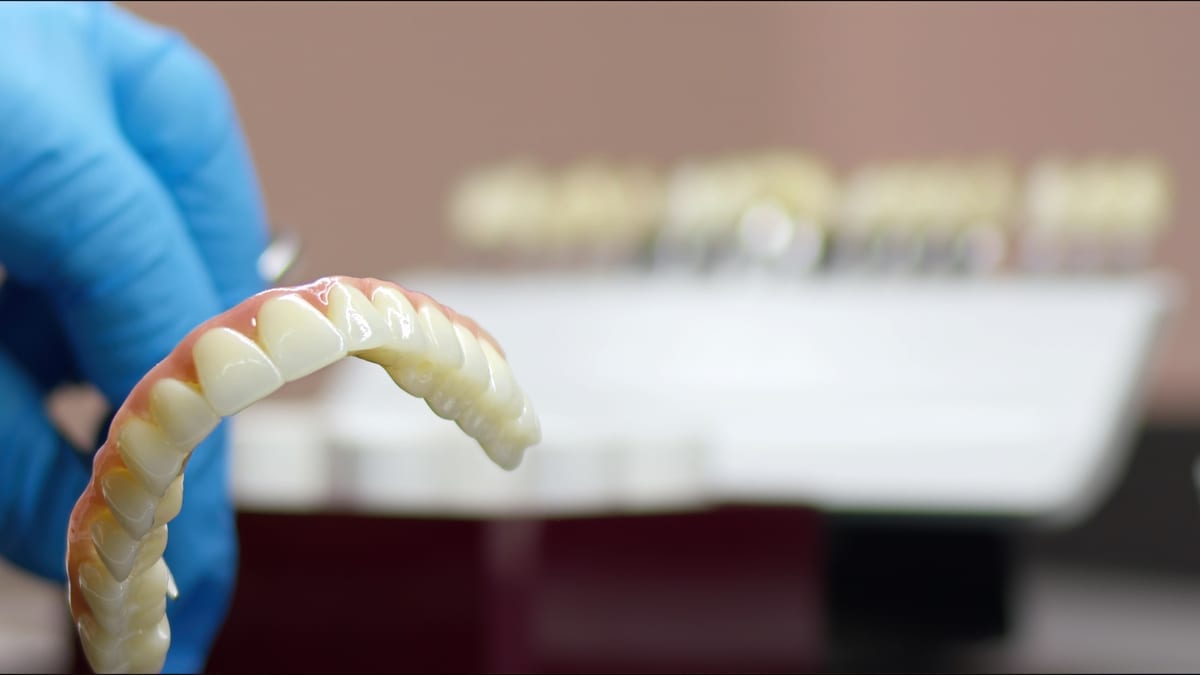
Getting new dentures is a significant step toward restoring your smile and confidence. But the first week can feel overwhelming if you don’t know what’s coming. Many patients in North Reading want to know exactly what to expect and how to adjust during those early days. This guide walks you through the reality of your first week with dentures — speech changes, sore spots, eating challenges — and how to come out the other side smiling.
What Happens to Your Mouth in the First Few Days
Your mouth is remarkably adaptable, but it needs time. In the first 24 to 48 hours, your gums will likely feel tender and swollen. This is completely normal after a new appliance is placed. Think of it like breaking in a new pair of shoes — discomfort is expected at first.
You may also notice increased saliva production. Your mouth treats the denture as a foreign object and responds by producing more saliva. This usually settles down within a week or two.
Some patients experience minor soreness along the gum ridge. This is one of the most common adjustment challenges and can be managed with a gentle saltwater rinse. If soreness becomes sharp or persistent, contact Dr. Peter Brzoza at Coastal Dental Arts Peabody for an adjustment appointment.
Speech Changes During Your First Week With Dentures in North Reading
One of the first things people notice is a change in how they talk. Certain sounds — especially “s,” “f,” and “th” — may feel different or come out slightly off. This happens because your tongue and lips need to relearn their positioning.
The good news is that this is temporary. Most patients find their speech normalizes within one to three weeks. The key is to practice speaking out loud every single day.
- Read aloud from a book or newspaper for 10 to 15 minutes daily
- Repeat challenging words slowly and deliberately
- Talk on the phone with friends or family to build confidence
- Record yourself to track your improvement over time
- Avoid whispering — speak at a normal volume to train your muscles
Your brain and muscles adapt faster when you give them consistent practice. Don’t retreat into silence — keep talking.
Eating Challenges and How to Handle Them
Eating with new dentures requires patience and strategy. For the first several days, stick to soft foods that require minimal chewing. Your gum tissue needs time to toughen up under the new appliance.
Start with foods like yogurt, mashed potatoes, scrambled eggs, and soft cooked vegetables. Cut everything into small pieces. Chew slowly and use both sides of your mouth equally to keep the denture stable.
- Avoid hard, crunchy foods like raw carrots, apples, or crusty bread in week one
- Skip sticky foods such as caramel, gum, or peanut butter
- Cut meat into very small bites rather than biting into it directly
- Drink plenty of water to help with chewing and swallowing
- Avoid extremely hot liquids — your temperature sensitivity may change temporarily
Gradually introduce more challenging textures by week two or three. Most patients in North Reading find they can eat a fairly normal diet within four to six weeks of consistent practice.
Managing Sore Spots and Denture Fit
Even the most carefully fitted dentures can create pressure points. These sore spots develop because your gum tissue and bone are unique — and they shift slightly after teeth are removed. Small adjustments make a huge difference in comfort.
Do not try to adjust the denture yourself at home. This can permanently damage the appliance and make your situation worse. Instead, schedule a quick follow-up with our team at Coastal Dental Arts Peabody.
Denture adhesives can help stabilize the appliance while your mouth adjusts. Use only a small amount — if you need a lot of adhesive, it likely means the fit needs professional attention. Over time, your gums will change shape as bone remodels, which is why regular check-ups are important.
As part of your overall Restorative Dentistry care, Dr. Brzoza monitors how your dentures are fitting and makes adjustments to keep you comfortable. These follow-up visits are a normal and expected part of the denture process.
Building Your Daily Denture Care Routine
Proper care from day one protects your investment and your oral health. Dentures need to be cleaned every single day — just like natural teeth. A consistent routine prevents bacteria buildup, staining, and odor.
Remove your dentures before bed and soak them in water or a denture-cleaning solution overnight. This gives your gum tissue a rest period and helps the denture maintain its shape. Never sleep in new dentures unless your dentist specifically instructs you to during the initial healing phase.
Brush your gums, tongue, and the roof of your mouth with a soft-bristled brush each morning before inserting your dentures. This stimulates circulation and removes bacteria. Handle your dentures over a folded towel or a sink filled with water — they can crack or chip if dropped on a hard surface.
Good oral hygiene also supports the health of surrounding tissue. If you ever need additional dental work — such as Root Canals on remaining natural teeth — a healthy oral environment makes treatment more straightforward and recovery smoother.
When to Call Your Dentist During the Adjustment Period
Most discomfort during week one is normal. However, certain signs mean you should reach out to our office right away. Knowing the difference between normal adjustment and a problem that needs attention will give you peace of mind.
Contact Coastal Dental Arts Peabody if you experience any of the following:
- Sore spots that are not improving after several days
- Persistent bleeding or swelling in your gums
- Dentures that feel dramatically loose immediately after placement
- Difficulty swallowing or breathing at any point
- Clicking, popping, or jaw pain that worsens over time
Prompt communication with Dr. Brzoza means faster solutions. You are never bothering us by calling — adjustments are a completely normal part of the denture process.
You Will Get Through This — and It Gets Better
The first week with dentures is genuinely the hardest part. Most patients in North Reading are surprised by how quickly their confidence grows after the initial adjustment period. By week two, speech usually improves noticeably. By week four, eating becomes much easier. By week six, many patients forget they ever struggled at all.
The adjustment period is temporary. Your smile and the function of your teeth are long-term gains. At Coastal Dental Arts Peabody, Dr. Peter Brzoza and our team are with you every step of the way — from fitting to follow-up. Book Now to schedule your appointment with our team.
Frequently Asked Questions
How long does it take to get used to new dentures?
Most patients adjust to new dentures within four to eight weeks. Speech typically improves within the first two weeks. Eating a more normal diet usually becomes comfortable by weeks four to six. Every person’s timeline is slightly different, and follow-up adjustments from your dentist can speed up the process significantly.
Is it normal for dentures to feel loose at first?
Some movement in new dentures is normal while your gum tissue adapts. However, if they feel dramatically loose or fall out during normal speaking or eating, contact your dentist for a fit check. Over time, your gums and bone will change shape, which can require periodic relines to maintain a secure fit.
Can I eat normally with dentures during the first week?
During the first week, stick to soft foods and small bites. Avoid hard, crunchy, or sticky foods while your gums are still tender. Gradually reintroduce more textures as you gain confidence and comfort. Most patients can eat a fairly wide variety of foods within four to six weeks of consistent practice.
Should I wear my dentures to bed at night?
In most cases, dentists recommend removing dentures at night to give your gum tissue a rest. Soaking them overnight in water or a denture solution keeps them clean and helps maintain their shape. Your dentist may provide specific instructions during the initial healing period that differ from this general guideline.
How often should I see my dentist after getting dentures?
Follow-up visits are an important part of the denture process. Most patients return within the first week or two for soreness adjustments, then again at regular intervals. Even if your dentures feel comfortable, annual check-ups allow your dentist to monitor your gum and bone health and ensure the fit remains optimal over time.
Want to schedule an appointment?
Ready to book your next appointment? Let's find the perfect time for you!