1 Roosevelt Avenue, Suite 203 Peabody, MA 01960



Veneers vs Bonding: Which Smile Fix Actually Lasts Longer?
If you have chipped, stained, or uneven teeth, you have probably heard about two popular fixes: veneers and dental bonding. Understanding veneers vs bonding and which smile fix actually lasts longer in Peabody can feel confusing at first. Both treatments improve your smile dramatically. However, they differ in cost, durability, invasiveness, and ideal use cases. At Coastal Dental Arts Peabody, Dr. Peter Brzoza helps patients choose the right option every day.
This guide breaks down both treatments honestly. You will walk away knowing exactly which option suits your specific concern — whether that is a single chipped tooth or a full cosmetic transformation.
What Are Veneers and Dental Bonding?
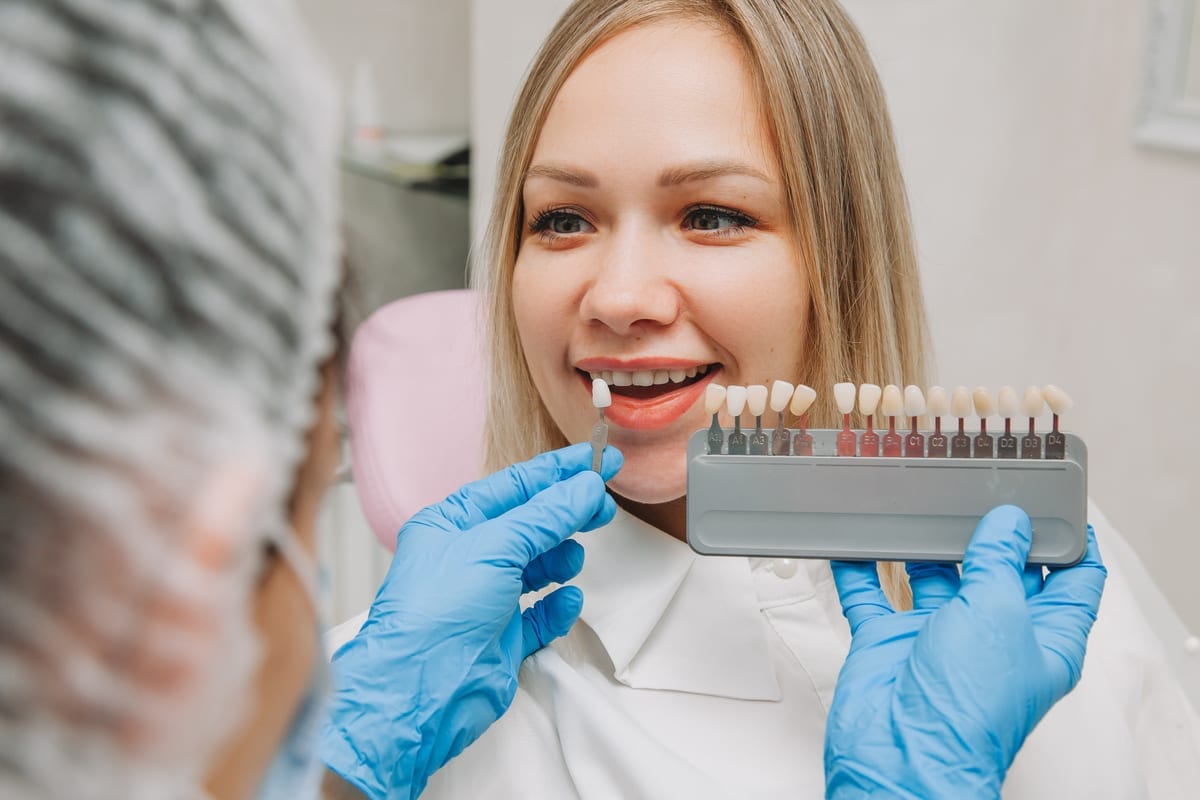
Veneers are thin porcelain or composite shells placed over the front surface of a tooth. They cover imperfections like gaps, stains, and chips permanently. Porcelain veneers are custom-made in a dental lab. They require two appointments and a small amount of enamel removal.
Dental bonding uses a tooth-colored resin applied directly to the tooth. Dr. Brzoza shapes and hardens the resin in a single visit. No lab work is needed. Bonding is one of the fastest cosmetic treatments available in Peabody.
Both options can address similar concerns. However, the right choice depends on your goals, timeline, and budget. Understanding the differences will help you make a confident decision at your next appointment.
Veneers vs Bonding: How Long Does Each Actually Last?
Longevity is one of the biggest differences between these two treatments. Porcelain veneers typically last 10 to 20 years with proper care. They resist staining better than natural enamel. Their durability makes them a long-term investment for many patients.
Dental bonding lasts approximately 3 to 10 years depending on placement and habits. Bonding on front teeth wears faster than bonding on less-used teeth. It also stains more easily from coffee, tea, and red wine. Touch-ups or replacements are more common over time.
- Porcelain veneers: 10–20 years with good oral hygiene
- Composite veneers: 5–10 years with careful maintenance
- Dental bonding: 3–10 years depending on wear and habits
- Both require regular dental checkups to extend lifespan
If you want a fix that holds up for decades, veneers offer a clear advantage. However, bonding can be a smart short-term solution for younger patients or minor repairs.
Cost and Invasiveness: Key Differences for Peabody Patients
Cost is often the deciding factor for patients choosing between these two treatments. Dental bonding costs significantly less per tooth than porcelain veneers. A single bonded tooth may cost a fraction of what a veneer requires. This makes bonding very accessible for patients on a tighter budget.
Veneers cost more upfront but offer greater longevity and aesthetics. Many patients find they spend less over 20 years with veneers than replacing bonding multiple times. Dr. Brzoza always walks patients through the full cost picture during consultations.
Invasiveness also differs between the two. Dental bonding requires no enamel removal in most cases. The process is completely reversible. Veneers require a small amount of enamel to be shaved down. This makes the process permanent — your tooth will always need a covering afterward.
- Bonding: non-invasive, reversible, completed in one visit
- Veneers: requires enamel removal, permanent commitment, two visits
- Bonding: lower upfront cost, shorter lifespan
- Veneers: higher upfront cost, longer-lasting results
- Both: require healthy underlying teeth for best outcomes
For patients with healthy teeth making a first cosmetic change, bonding provides a low-risk entry point. For patients committed to a dramatic, lasting transformation, veneers deliver superior value.
Which Option Suits Your Specific Concern?
The best treatment depends entirely on your unique smile concern. Not every patient needs the most expensive or permanent solution. Dr. Brzoza tailors each treatment plan to the individual.
Choose dental bonding if you have: A single chipped or cracked tooth, minor gaps between teeth, small discolorations, or a limited budget. Bonding also works well for young patients whose smiles are still developing. It is a practical and effective solution for isolated cosmetic issues.
Choose veneers if you have: Multiple teeth you want to improve at once, severe staining that whitening cannot fix, or a desire for a complete cosmetic transformation. Veneers also suit patients who want consistent color and shape across several front teeth. Porcelain veneers do not stain the way bonding resin does over time.
Some patients benefit from combining both treatments. For example, veneers on the most visible front teeth and bonding on a side tooth can balance results and cost. Dr. Brzoza assesses every patient individually and recommends what makes clinical and practical sense.
It is also worth noting that other treatments may factor into your smile plan. Patients with deeper dental concerns sometimes need Root Canals Peabody treatment before any cosmetic work begins. Ensuring structural health always comes first at Coastal Dental Arts Peabody.
What to Expect at Coastal Dental Arts Peabody
Dr. Peter Brzoza and the team at Coastal Dental Arts Peabody prioritize patient education above everything else. Your consultation will include a full smile assessment. Dr. Brzoza explains your options clearly and honestly. There is no pressure to commit to any treatment on the spot.
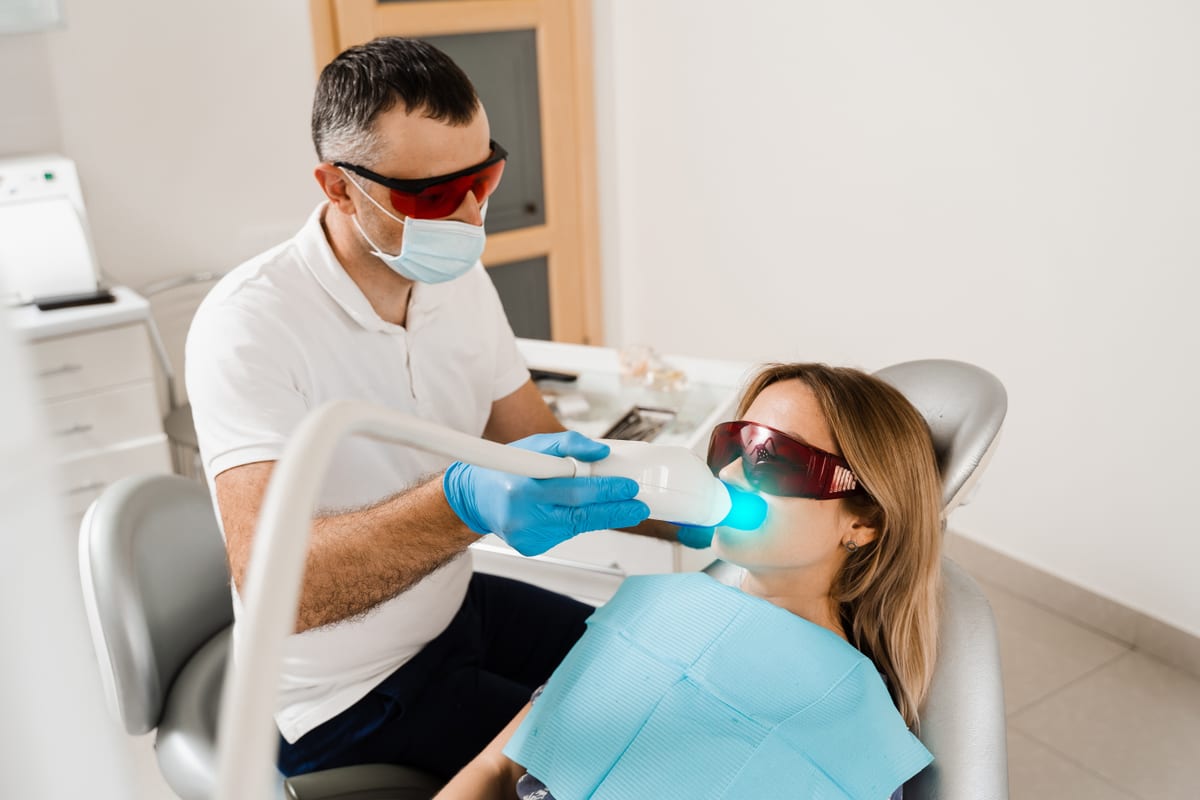
For bonding, most patients complete treatment in a single appointment lasting 30 to 60 minutes. Dr. Brzoza shapes the resin, hardens it with a curing light, and polishes it to match your surrounding teeth. You leave with an improved smile the same day.
For veneers, the process takes two visits. The first visit involves preparing the teeth and taking impressions. Temporary veneers protect your teeth while the permanent ones are crafted. The second visit involves bonding the custom veneers permanently to your teeth.
Coastal Dental Arts Peabody also serves families with a wide range of needs. Patients looking for Pediatric Dentistry Peabody services will find compassionate, expert care for their children as well.
Caring for Your Results: Making Either Treatment Last
Aftercare plays a huge role in how long your results last. Both bonding and veneers require consistent oral hygiene habits. Brushing twice daily and flossing once daily protect your investment significantly. Regular cleanings every six months help Dr. Brzoza monitor your results.
Avoid biting nails, chewing ice, or using teeth as tools. These habits chip both bonding and veneers prematurely. Coffee, tea, and red wine stain bonding resin faster than porcelain. Using a straw and rinsing with water after staining beverages extends bonding results.
Night grinding can damage both treatments. If you clench or grind at night, Dr. Brzoza may recommend a custom nightguard. This simple device protects your smile investment while you sleep.
Conclusion: Choosing the Right Smile Fix in Peabody
Both veneers and dental bonding deliver beautiful results. The right choice depends on your goals, budget, and how long you want your results to last. Bonding offers speed, affordability, and reversibility. Veneers offer durability, stain resistance, and a truly transformative outcome.
Dr. Peter Brzoza at Coastal Dental Arts Peabody has the expertise to guide you through this decision. You deserve a smile that makes you feel confident every day. Book Now to schedule your appointment with our team.
Frequently Asked Questions
Is dental bonding painful?
Dental bonding is generally painless. In most cases, no anesthesia is required. Dr. Brzoza applies the resin directly to the tooth surface without drilling. Patients typically experience no discomfort during or after the procedure.
Can veneers fall off?
Veneers are bonded securely to your teeth using strong dental cement. They rarely fall off with proper care. Biting very hard foods or suffering dental trauma can dislodge a veneer. Regular checkups at Coastal Dental Arts Peabody help catch any early signs of loosening.
Does bonding look natural?
Yes, dental bonding can look very natural. Dr. Brzoza matches the resin color to your surrounding teeth precisely. The resin is shaped and polished to blend seamlessly. Most people cannot tell the difference between bonding and a natural tooth.
How do I know if I need veneers or bonding?
The best way to find out is through a personal consultation with Dr. Brzoza. He evaluates the size, location, and severity of your cosmetic concern. Minor chips and single-tooth issues often suit bonding well. Multiple teeth or significant discoloration typically benefit more from veneers.
Can I whiten my teeth after getting bonding or veneers?
Whitening treatments do not affect bonding resin or porcelain veneers. If you plan to whiten, do it before your cosmetic treatment. Dr. Brzoza will match your bonding or veneer color to your newly whitened teeth. This ensures a consistent, bright result across your entire smile.
Want to schedule an appointment?
Ready to book your next appointment? Let's find the perfect time for you!