1 Roosevelt Avenue, Suite 203 Peabody, MA 01960




Why Your Teeth Feel Sensitive During Cleaning (And How We Stop It)
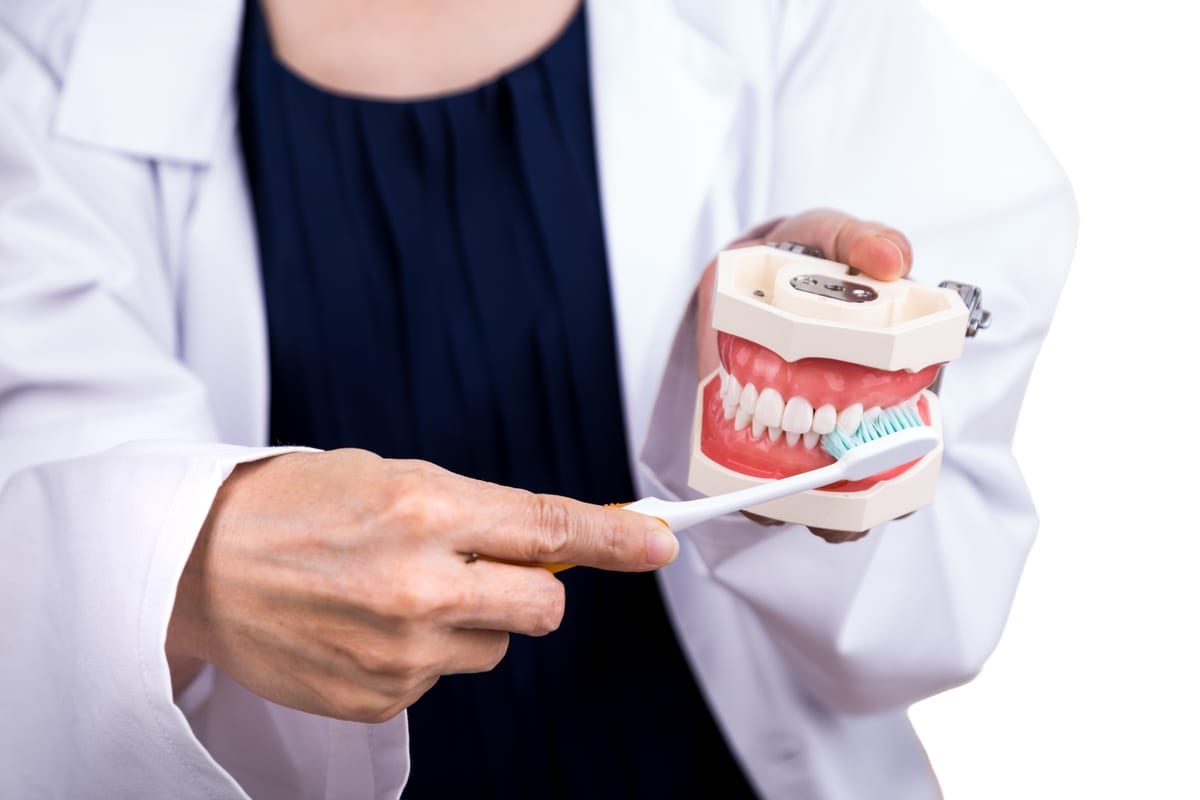
Many patients near North Reading wonder exactly why your teeth feel sensitive during cleaning and how we stop it before it becomes a problem. You are not alone in feeling this way. Sensitivity during a dental cleaning is one of the most common concerns we hear at Coastal Dental Arts Peabody. The good news is that Dr. Peter Brzoza and our hygiene team have specific, proven strategies to keep you comfortable throughout every visit.
Understanding the cause of that sensitivity is the first step. Once you know what is happening, the experience feels far less alarming. This article walks you through the science, the solutions, and what our team does to make your cleaning as comfortable as possible.
What Causes Tooth Sensitivity During a Dental Cleaning in North Reading?
Sensitivity during a cleaning usually comes from exposed dentin. Dentin is the layer just beneath your tooth enamel. It contains tiny tubules that connect directly to the nerve of your tooth.
When gum tissue recedes or enamel wears thin, those tubules lose their protective covering. Water, air, and cleaning instruments can then stimulate the nerve. The result is that sharp, brief zing you feel during scaling.
Several factors increase the likelihood of sensitivity during your visit:
- Gum recession from aggressive brushing or periodontal disease
- Enamel erosion from acidic foods and beverages
- Naturally thinner enamel due to genetics
- Recent tooth whitening treatments
- Cracked or chipped enamel surfaces
- Active gum inflammation that makes tissue more reactive
Knowing your specific trigger helps our team tailor the cleaning to your needs. We always review your dental history before we begin.
How Our Hygiene Team Minimizes Sensitivity at Every Appointment
Our approach to sensitivity starts before any instrument touches your teeth. The hygienist will ask you a few quick questions about your comfort level. That information guides every decision during your cleaning.
We use several techniques to reduce discomfort in real time. These are not special add-ons — they are simply part of how we care for every patient at Coastal Dental Arts Peabody.
- Desensitizing agents: We apply a fluoride varnish or desensitizing gel to exposed areas before scaling begins.
- Ultrasonic scalers with warm water: Cold water is a major sensitivity trigger. Using warm water significantly reduces that sharp reaction.
- Hand scaling for sensitive zones: Ultrasonic tools are efficient, but hand instruments offer more precision around tender areas.
- Frequent check-ins: We pause regularly and ask how you are feeling. You can signal for a break at any time.
- Topical anesthetic: For patients with significant sensitivity, we offer a topical numbing gel applied to the gum line before we begin.
These steps make a real difference. Most patients tell us the cleaning felt much more manageable than they expected.
When Sensitivity Signals a Deeper Issue Worth Treating
Sometimes sensitivity during a cleaning is more than just surface-level discomfort. It can point to an underlying condition that deserves attention. Dr. Brzoza will evaluate any areas that cause unusual pain during your appointment.
Significant sensitivity in one specific tooth, for example, can sometimes indicate nerve involvement. In those cases, a Root Canals North Reading consultation may be the next appropriate step. Root canal treatment relieves internal nerve pressure and eliminates the source of pain entirely.
Similarly, widespread sensitivity across multiple teeth can signal advancing gum disease. Our team provides full periodontal care to address gum health from the root cause. Treating the gum tissue reduces inflammation and, over time, reduces sensitivity at future cleanings.
We also watch for signs of cracked or worn enamel. Dental crowns or bonding can restore protective coverage over exposed dentin. Addressing these issues early prevents sensitivity from getting worse with every visit.
Tips to Reduce Sensitivity Between Cleanings at Home
What you do at home directly affects how sensitive your teeth feel in the chair. A few simple habits can make your next cleaning noticeably more comfortable.
- Use a soft-bristled toothbrush and gentle circular strokes
- Switch to a toothpaste formulated for sensitive teeth
- Limit acidic drinks like citrus juices and carbonated sodas
- Drink water after meals to neutralize acid in your mouth
- Wear a night guard if you grind your teeth during sleep
- Brush twice daily to keep gum tissue healthy and firm
These habits protect your enamel and help your gum tissue stay attached to your teeth. Healthy gums mean less exposed dentin during your cleaning.
We also recommend fluoride toothpaste for most patients. Fluoride strengthens enamel over time and can actually reduce nerve sensitivity. Ask our team which product makes the most sense for your specific situation.
Families bringing children to our practice can ask about Pediatric Dentistry North Reading services, which include age-appropriate sensitivity prevention strategies for growing smiles.
Why Skipping Cleanings Makes Sensitivity Worse
It might seem logical to avoid cleanings when they cause discomfort. In reality, the opposite approach is far more effective. Skipping appointments allows plaque and tartar to build up around the gum line.
That buildup increases inflammation in the gum tissue. Inflamed gums are far more sensitive than healthy ones. The longer you wait, the more reactive your mouth becomes during the next visit.
Regular six-month cleanings prevent heavy tartar accumulation. Less buildup means less aggressive scaling. Less aggressive scaling means less sensitivity overall. Staying consistent with your schedule is genuinely one of the best ways to reduce discomfort over time.
Dr. Brzoza and the team at Coastal Dental Arts Peabody are here to make every appointment feel safe and manageable. We serve patients from Peabody and the surrounding North Reading area with consistent, compassionate care.
Conclusion: Comfortable Cleanings Are Possible for Every Patient
Sensitivity during a dental cleaning is common, but it is never something you have to simply endure. Our team works proactively to reduce discomfort at every step. From desensitizing treatments to warm water irrigation, we tailor each appointment to your comfort level.
Understanding why your teeth feel sensitive during cleaning and how we stop it empowers you to show up with less anxiety. You deserve to leave every appointment feeling cared for, not worn out. Book Now to schedule your appointment with our team.
Frequently Asked Questions
Is it normal for teeth to hurt during a dental cleaning?
Yes, mild sensitivity during a cleaning is very common. It usually happens because the instruments contact areas of exposed dentin or inflamed gum tissue. If the sensitivity is severe or persistent, let your hygienist know immediately so they can adjust their approach.
Can I ask for numbing gel before my cleaning?
Absolutely. At Coastal Dental Arts Peabody, we offer topical anesthetic for patients who experience significant discomfort. Just mention it before your appointment begins and our team will apply it to the gum line before scaling starts.
Will my sensitivity improve after regular cleanings?
In most cases, yes. Consistent cleanings reduce tartar buildup and gum inflammation. Less inflammation means less sensitive tissue over time. Many patients report that their cleanings feel much more comfortable after they return to a regular schedule.
What toothpaste is best for sensitive teeth?
Toothpastes containing potassium nitrate or stannous fluoride are specifically designed to reduce sensitivity. They work by blocking or desensitizing the nerve tubules inside your dentin. Ask Dr. Brzoza or your hygienist which formula is best suited to your specific needs.
Could my sensitivity during cleanings mean I need a root canal?
Not necessarily. Most cleaning-related sensitivity is caused by exposed dentin or gum inflammation, not nerve damage. However, if a single tooth causes sharp, lingering pain during your visit, Dr. Brzoza will evaluate it closely. In some cases, a root canal consultation is the appropriate next step to rule out internal nerve involvement.


Want to schedule an appointment?
Ready to book your next appointment? Let's find the perfect time for you!
