1 Roosevelt Avenue, Suite 203 Peabody, MA 01960


Knocked-Out Tooth Emergency in Peabody, MA
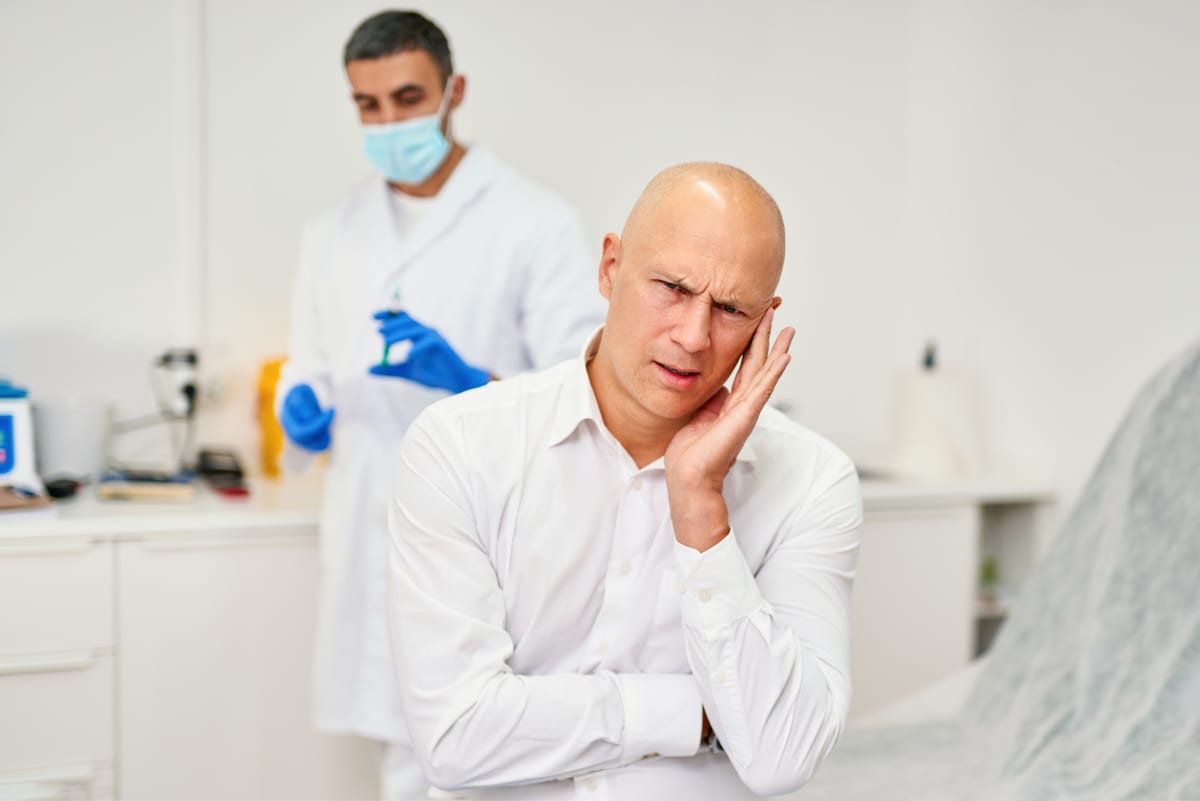
A knocked-out tooth is one of the scariest dental emergencies you can face. If you live in Middleton, MA, knowing what to do in the first 30 minutes can mean the difference between saving and losing your tooth permanently. Dr. Peter Brzoza and the team at Coastal Dental Arts Peabody are here to walk you through every critical step. Acting fast and acting correctly gives your tooth the best possible chance.
Why the First 30 Minutes Matter So Much
When a tooth is knocked out, the tissues and ligaments attached to its root begin to die quickly. Dentists call this the avulsion window — the narrow period when reimplantation is still possible. Research consistently shows that teeth reimplanted within 30 minutes have the highest survival rates. After one hour, the chances of successful reimplantation drop dramatically.
For Middleton residents, this means you need a clear action plan before an emergency happens. Panic is natural, but preparation saves teeth. The steps below are simple, proven, and potentially tooth-saving. Read them now, then share them with your family.
Step-by-Step: What To Do the Moment a Tooth Is Knocked Out in Middleton
Every second counts after a tooth avulsion. Follow these steps immediately and in order.
- Pick up the tooth by the crown, never the root. Touching the root damages the delicate cells needed for reimplantation.
- Rinse it gently with milk or saline. Do not scrub, and do not use tap water if you can avoid it.
- Try to reinsert it into the socket. Gently push it back into place and bite down softly on a clean cloth.
- If reinsertion is not possible, store the tooth in milk. Milk preserves the root cells far better than water.
- Call your emergency dentist immediately. Tell them you have an avulsed tooth and you are on your way.
- Get to the dental office within 30 minutes. This is your critical window — do not wait.
These steps apply to permanent teeth only. A knocked-out baby tooth should not be reimplanted. Call your dentist right away for guidance on pediatric tooth loss.
What Your Dentist Will Do When You Arrive
When you reach Coastal Dental Arts Peabody, Dr. Brzoza will assess the tooth and socket right away. He will clean the area carefully and attempt to reimplant and stabilize the tooth. A small splint may be bonded to neighboring teeth to hold everything in place while healing begins.
Depending on the situation, a Root Canals treatment may be needed shortly after reimplantation. Root canal therapy removes damaged pulp tissue and prevents infection inside the tooth. This is a routine and highly effective follow-up step after tooth avulsion.
If reimplantation is not successful, Dr. Brzoza will discuss your Restorative Dentistry options. These include dental implants, bridges, or partial dentures to restore your smile and function. You will never be left without a plan and a path forward.
Common Mistakes That Cost People Their Teeth
Even well-meaning people make mistakes in a tooth emergency. Avoid these critical errors at all costs.
- Scrubbing the root — This destroys the ligament cells needed for successful reimplantation.
- Storing in tap water — Water causes root cells to swell and die quickly.
- Waiting to call the dentist — Every minute of delay reduces the chance of saving your tooth.
- Wrapping in a dry tissue or cloth — Dry storage kills root cells within minutes.
- Trying to reimplant a baby tooth — This can damage the developing permanent tooth beneath it.
- Assuming the tooth is lost — Many avulsed teeth are successfully saved when treated quickly.
Knowledge truly is the best emergency preparation. Share this list with your household so everyone knows what not to do. A calm, informed response can save a tooth that panic would lose.
When the Tooth Cannot Be Saved: Your Restoration Options
Sometimes a tooth cannot be reimplanted, despite everyone’s best efforts. The root may be too damaged, or too much time may have passed. In those cases, Dr. Brzoza will help you restore your smile with modern, long-lasting solutions.
A dental implant is the gold standard for replacing a missing tooth. It looks, feels, and functions exactly like a natural tooth. Implants also preserve jawbone density, which protects your facial structure long-term.
Other excellent options include dental bridges and partial dentures. The right choice depends on your overall oral health, your bone structure, and your personal goals. Dr. Brzoza takes time to explain every option in plain language so you can make a confident decision.
How To Be Prepared Before an Emergency Happens
Every Middleton family should have an emergency dental plan in place. Keep your dentist’s contact information saved in your phone right now. Stock a small dental emergency kit at home with a container of Save-A-Tooth solution and sterile gauze.
Talk to your children and teens about dental emergencies, especially if they play contact sports. A properly fitted mouthguard dramatically reduces the risk of a knocked-out tooth. Ask Dr. Brzoza about custom mouthguards at your next visit.
Most importantly, stay current with your regular dental checkups. Healthy teeth and gums are more resilient in an emergency. Routine care at Coastal Dental Arts Peabody is your first line of defense.
If you or a family member ever knocks out a tooth, remember: stay calm, follow the steps above, and call us immediately. Dr. Peter Brzoza and the Coastal Dental Arts Peabody team are ready to help Middleton patients through dental emergencies with skill and compassion. Book Now to schedule your appointment with our team.
Frequently Asked Questions
Can a knocked-out tooth really be saved?
Yes, absolutely. A permanent tooth that is handled correctly and reimplanted within 30 minutes has a strong chance of survival. The key factors are keeping the root cells alive and reaching a dentist as quickly as possible. Acting fast and following the right steps makes all the difference.
What is the best liquid to store a knocked-out tooth in?
Milk is the best readily available storage solution for a knocked-out tooth. It maintains the right pH and osmotic balance to keep root cells alive. Save-A-Tooth solution is even better if you have it on hand. Avoid plain tap water, as it causes root cells to swell and die quickly.
Should I try to push the tooth back into the socket myself?
Yes, if you can do so gently and without forcing it. Hold the tooth by the crown, rinse it briefly with milk or saline, and carefully guide it back into the socket. Bite down softly on a clean cloth to hold it in place. Then get to a dentist immediately — do not delay.
Does this apply to children’s baby teeth too?
No. You should not attempt to reimplant a knocked-out baby tooth. Doing so can injure the permanent tooth developing underneath. Call your dentist right away for professional guidance on next steps for your child’s care.
What happens if I cannot save the tooth?
If the tooth cannot be reimplanted, Dr. Brzoza will walk you through restorative options including dental implants, bridges, and partial dentures. These solutions restore both your appearance and your bite function effectively. You will never leave without a clear plan to restore your smile.

Want to schedule an appointment?
Ready to book your next appointment? Let's find the perfect time for you!