1 Roosevelt Avenue, Suite 203 Peabody, MA 01960



Wisdom Tooth Infection: Signs, Symptoms & Treatments
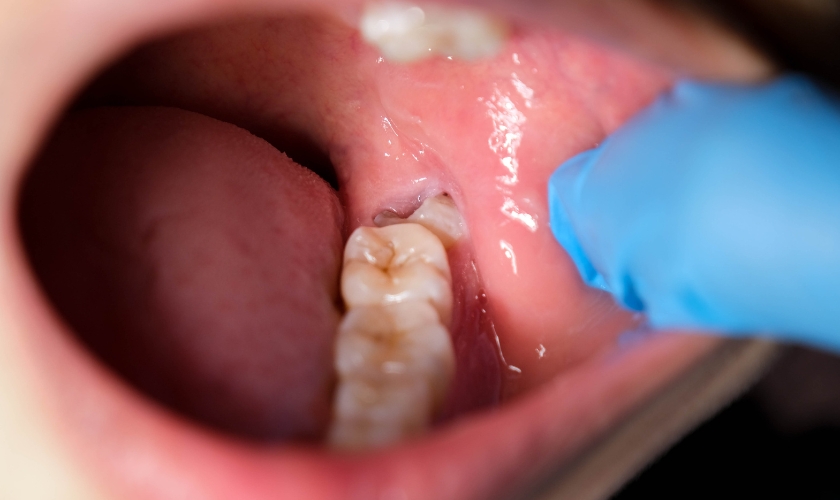
Anyone who has experienced the pain of a wisdom tooth infection knows it’s something to avoid if possible. The discomfort can be severe, and prompt treatment is crucial to prevent further complications. Infections in wisdom teeth are common, significantly when the teeth are impacted.
What are the Causes of Wisdom Tooth Infections?
Wisdom teeth, or third molars, can become impacted if they do not erupt properly or fully. Partial eruption creates an opening that can harbor bacteria, leading to an infection known as pericoronitis. This condition is challenging to treat because the flap of the gum tissue over the partially erupted tooth needs to be managed. The infection won’t heal until this gum flap is removed, the tooth erupts completely, or the tooth is extracted.
What are the Symptoms and Signs of a Wisdom Tooth Infection?
Pain around the tooth and jaw is a common indicator of a wisdom tooth infection. Other signs include:
- Red and Inflamed Gums: Initial signs include red and swollen gums near the affected tooth.
- Swollen Jaw or Face: The infection can cause noticeable swelling.
- Fever: A sign that the body is fighting the infection.
- Swollen Lymph Glands: Typically found in the neck, indicating an immune response.
- Stinky Breath: Caused by bacterial infection.
- Difficulty Opening Mouth: Stiffness in the jaw can make it hard to open the mouth.
- Difficulty Chewing and Swallowing: Pain can make these activities challenging.
- Pus Coming from the Gum: Indicates the presence of infection.
- Bad Taste in the Mouth: Often due to pus or infection drainage.
- Headaches: Pain may radiate, causing headaches.
- Sore Throat: The infection can extend to the throat.
In severe cases, the infection can spread to other parts of the mouth, jaw, and upper respiratory system and potentially lead to sepsis, a serious immune response to infection.
How to Treat an Infected Wisdom Tooth?
Treatment can vary from conservative measures to surgical intervention, depending on the severity of the infection and the state of the wisdom teeth.
Conservative Approach
Dr. Brzoza, your dentist in Peabody, MA, recommends a conservative approach to managing wisdom tooth pain and infection. This can include using over-the-counter painkillers, antibiotics to address the infection, mouthwashes, or saltwater rinses. If you suspect a wisdom tooth infection, it’s important to see a dentist regardless of your decision about surgery. In the meantime, you can minimize swelling with an ice pack, rinse with salt water, or take over-the-counter pain medications like aspirin or ibuprofen. For those who prefer to avoid surgery due to certain health issues, such as a bleeding disorder, these methods can be helpful. However, if the wisdom tooth infection worsens, surgery may be the best option for relief.
Surgical Approach
One popular technique for preventing issues like infection of the wisdom teeth is surgical extraction. Since over 85% of wisdom teeth require extraction, many dentists would advise extraction in order to stop the spread of wisdom tooth infection. There might be other options for therapy if surgery is not a good fit for you or if you would rather not have it done.
How to Prevent Wisdom Tooth Infections?
While not all infections can be prevented, good oral hygiene practices can reduce the risk:
- Brush Twice Daily: Use an anticavity toothpaste and ensure you clean the farthest molars thoroughly.
- Floss Daily: Reach the back of your mouth to remove trapped food and plaque.
- Use Mouthwash: Incorporate it into your daily routine to kill bacteria.
- Regular Dental Checkups: Visit your dentist at least twice a year for cleanings and checkups.
Wisdom teeth can be a nuisance, but with proper knowledge and proactive care, you can avoid the pain and discomfort of an infection. By practicing good oral hygiene, scheduling regular dental visits, and discussing your wisdom teeth with your dentist, you can keep your smile healthy and bright.
Related Articles
Want to schedule an appointment?
Ready to book your next appointment? Let's find the perfect time for you!
