1 Roosevelt Avenue, Suite 203 Peabody, MA 01960




What Full Mouth Implant Reconstruction Looks Like
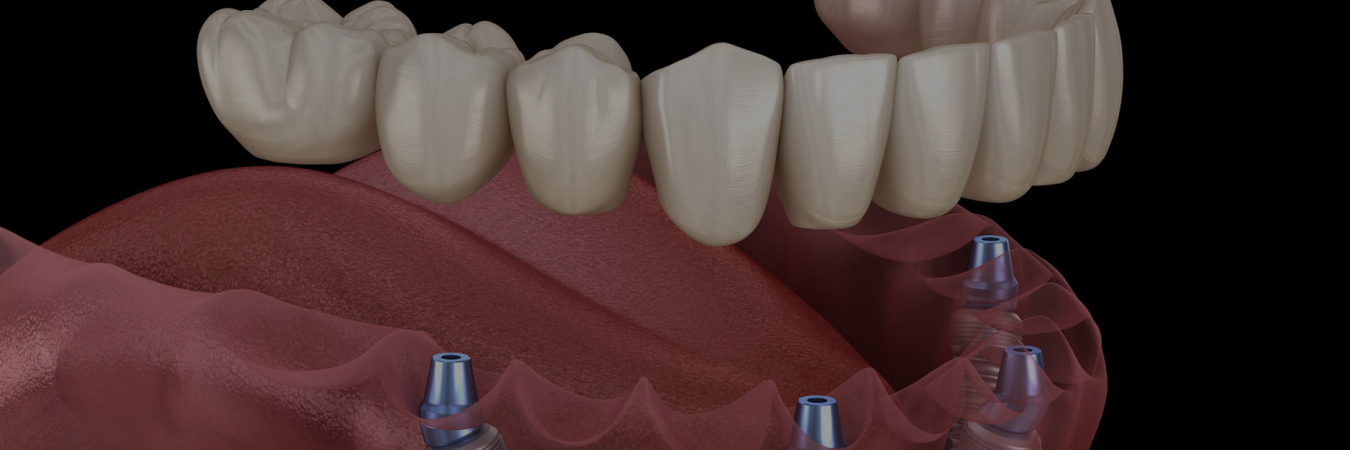
Most people have an idea of what a single dental implant looks like. But when you are missing most or all of your teeth, the picture changes significantly. Full-mouth implants are a different category altogether, and the results tend to surprise people who have spent years hiding their smile or struggling with ill-fitting dentures.
This is not a procedure with a one-size-fits-all outcome. What your final result looks like depends on several factors, from the type of restoration chosen to the condition of your jawbone. Before you sit down for a consultation, it helps to know what you are actually looking at.
The Structure Behind the Smile
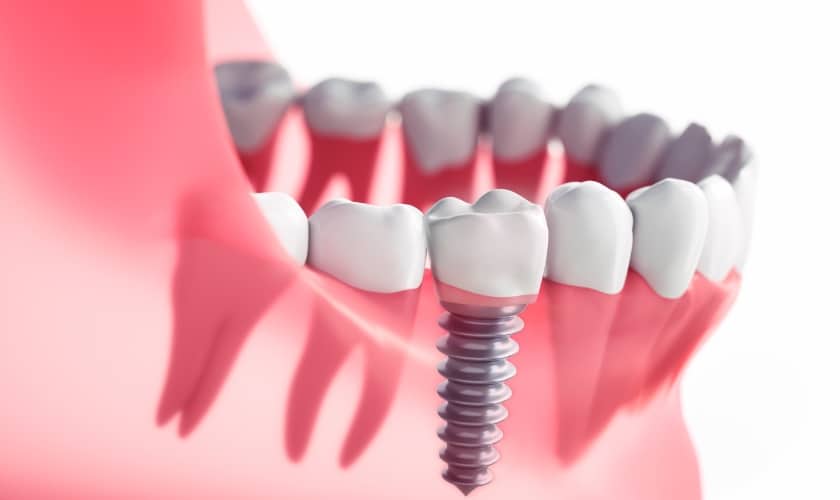
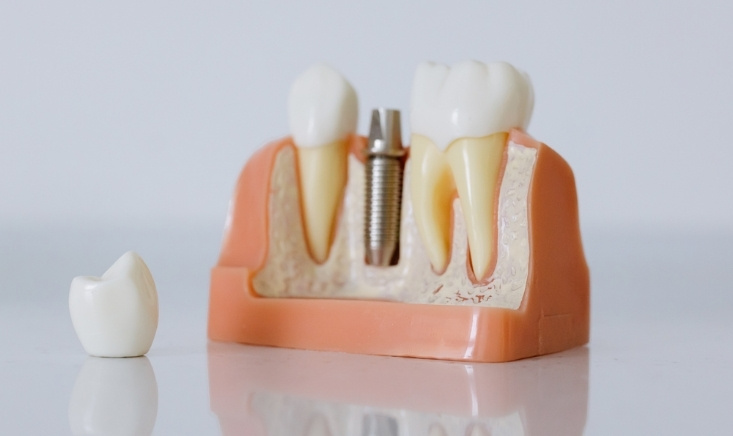
To understand what full-mouth dental implants look like, it helps to understand how they are built. Unlike traditional dentures that rest on your gums, implant-supported restorations are anchored directly into the jawbone using titanium posts. Those posts act as artificial tooth roots, and the visible restorations, whether individual crowns, a fixed bridge, or a full-arch prosthesis, attach securely on top of them.
Full mouth implant reconstruction refers to replacing all or nearly all teeth in one or both arches using this implant-supported approach. The result is a set of teeth that are fixed in place, meaning they do not shift, slip, or need to be removed at night.
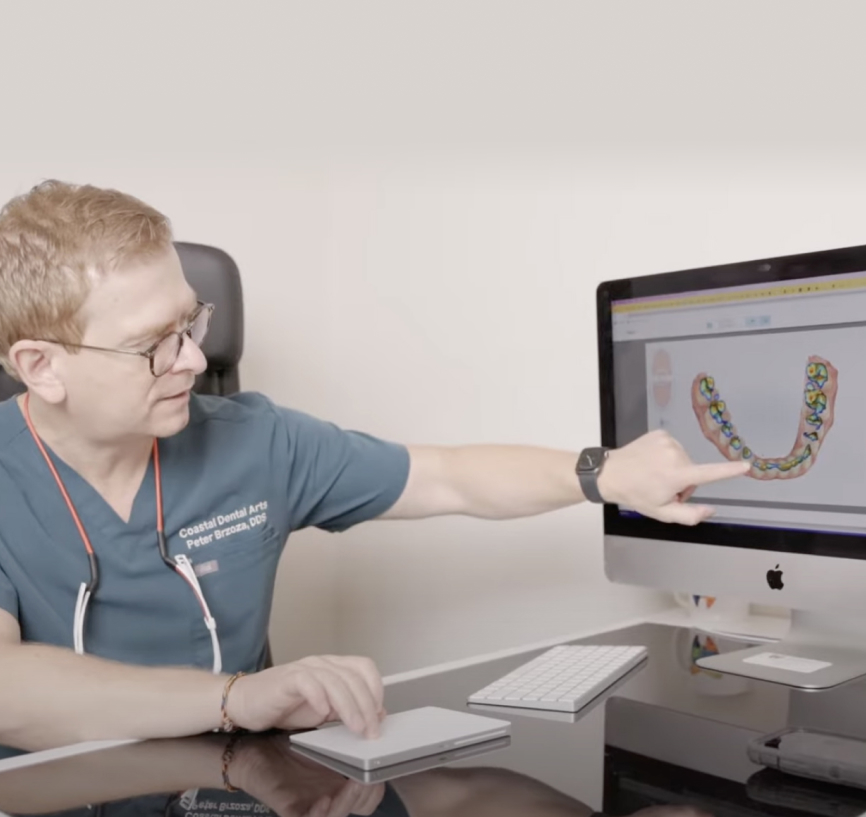
Once completed, the restorations are designed to closely resemble natural teeth in both shape and color. Your dental provider works from detailed impressions, digital scans, and photographs to ensure the final result suits your facial structure and skin tone. Nothing about the outcome should look artificial or exaggerated.
What the Different Options Look Like
Not all full-mouth restorations use the same design, and the visual differences between them are worth knowing.
Implant-Supported Fixed Bridges
This approach uses a smaller number of implants, often four to six per arch, to support a full set of prosthetic teeth. The bridge is permanently attached and does not come out. From the outside, it looks and functions very much like a full set of natural teeth. The gum line is typically recreated using pink-toned dental material, which gives the restoration a lifelike appearance, especially important when the natural gum tissue has receded over time.
Implant Crowns
For patients who have sufficient bone throughout the jaw, each missing tooth can be replaced with its own implant and crown. This approach produces the most natural-looking result because each tooth stands independently, just as real teeth do. The spacing, contour, and translucency of the crowns are carefully matched to create a result that blends seamlessly.
Implant-Retained Overdentures
This option sits somewhere between traditional dentures and a fully fixed restoration. The denture attaches to implants using locator attachments or a bar system, which means it is removable but held firmly in place during wear. Visually, it looks much like a conventional denture, though the fit and stability are considerably better.
How Natural Do They Look?
This is the question most patients care about most, and the honest answer is: very natural, when done well.
Modern dental ceramics and zirconia materials allow dental technicians to replicate the subtle gradations of color, translucency, and texture found in real teeth. A well-crafted restoration does not look like a single block of white. Each tooth has character, and the overall result complements your face rather than dominating it.
According to research, implant-supported restorations consistently show high patient satisfaction rates, particularly in terms of aesthetics and self-confidence. Patients frequently report that the visual outcome exceeded their expectations.
The transformation after full-mouth implant reconstruction tends to be significant, not just in appearance but also in how people carry themselves day to day.
What Changes in Your Face Over Time
One thing many patients do not anticipate is the change that implants make to facial structure. When teeth are lost and not replaced, the jawbone gradually resorbs because it no longer receives the stimulation it needs from chewing. That bone loss causes the lower face to appear sunken, the lips to thin, and the chin to rotate forward, all signs of premature aging.
Implants reverse that process. By stimulating the jawbone the way natural tooth roots do, they help preserve bone volume over time. Patients often notice that their face looks fuller and more youthful after treatment, not because anything cosmetic was done, but because the underlying structure is being maintained.
What the Timeline Looks Like
Full-mouth implant treatment is not completed in a single visit. After implants are placed, a healing period of several months allows osseointegration to occur before the final restorations are attached. During that time, most patients wear a temporary prosthesis so they are never without teeth.
The final restorations go in once healing is confirmed, and that is when the full aesthetic result becomes visible. Many practices offer digital smile previews or trial smiles, so patients can give input before the permanent work is finalized.
The best way to understand what your outcome could look like is to have a proper evaluation and see examples of real patient results. A consultation gives your dental provider the information they need to outline a realistic plan, including what your final smile will look and feel like.
If you are in the Peabody area and ready to take that first step, call to schedule your consultation today. Your smile is worth getting right.
People Also Ask
How long do full-mouth implants last?
With proper care, implant posts can last a lifetime. The prosthetic teeth attached to them may need replacement or adjustment over time, typically after 10 to 20 years, depending on wear and maintenance.
Is the procedure painful?
Most patients report that the procedure is more comfortable than they expected. Local anesthesia is used during surgery, and sedation options are available for patients with dental anxiety. Post-surgical discomfort is manageable with prescribed or over-the-counter pain relief and typically resolves within a few days.
Can anyone get full-mouth implants?
Most healthy adults are candidates, though adequate jawbone density is required to support the implants. Patients with significant bone loss may need bone grafting before implant placement. Your provider will assess your bone structure during the initial evaluation.
How do you care for implant-supported teeth?
Daily brushing and flossing remain essential, just as with natural teeth. Water flossers and interdental brushes are particularly useful for cleaning around implant posts. Regular dental check-ups and professional cleanings are also important for long-term success.
What happens if an implant fails?
Implant failure is uncommon but can occur, most often in the early healing phase. In many cases, a failed implant can be replaced after the site heals. Your provider will monitor healing closely and address any concerns early.
Want to schedule an appointment?
Ready to book your next appointment? Let's find the perfect time for you!