1 Roosevelt Avenue, Suite 203 Peabody, MA 01960




Why Tooth Nerves Become Exposed: Key Causes Explained
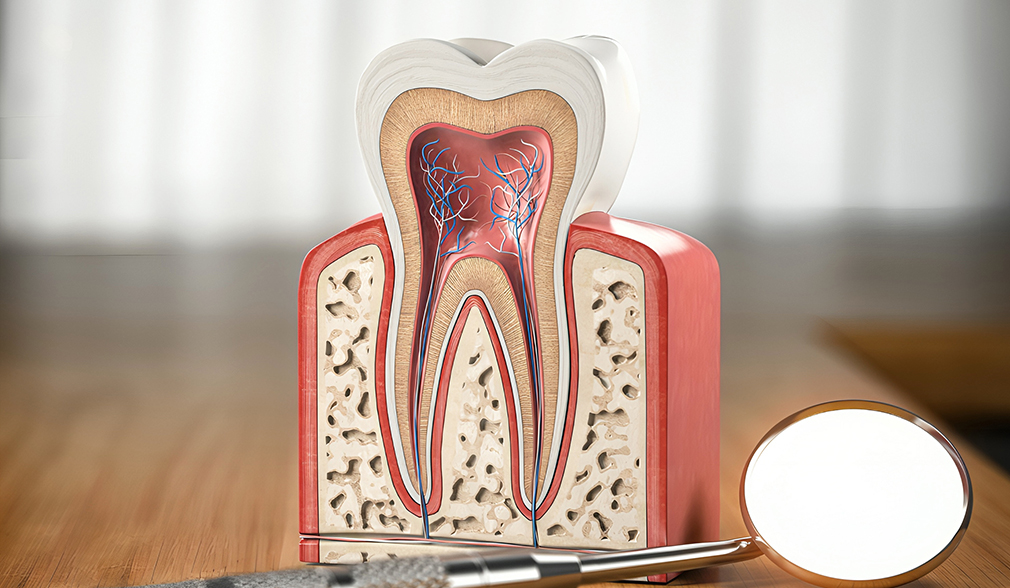
Exposed tooth nerves can be an uncomfortable and distressing experience, often causing sharp pain or heightened sensitivity when consuming hot or cold foods. If you’ve ever felt that jolt of pain when drinking a cold beverage, you know just how unpleasant it can be. But understanding the causes of exposed nerves can help prevent further damage and improve your overall oral health.
The discomfort associated with exposed nerves is more than just an annoying sensation. It can lead to serious long-term consequences if left unaddressed. In this blog, we’ll explore the key causes behind exposed tooth nerves, highlighting the importance of early detection and prevention.
By understanding these causes, you’ll be better equipped to take proactive steps toward maintaining your dental health and avoiding future issues.
What Does It Mean for a Tooth Nerve to Be Exposed?
When a tooth nerve becomes exposed, the protective layers of the tooth, primarily the enamel and the gums, are compromised, leaving the sensitive nerve beneath vulnerable. This can occur in several ways, and it’s crucial to understand both the causes and symptoms associated with nerve exposure.
Symptoms of Exposed Nerves
Exposed nerves typically cause a heightened sensitivity or pain in the affected tooth. You might experience a sharp, stabbing sensation when consuming hot, cold, or sweet foods, or even when breathing in cold air. Other common symptoms include:
- Pain or discomfort when brushing or flossing
- Sensitivity that worsens over time
- A constant feeling of discomfort or pain around the tooth
While some minor sensitivity is normal, persistent or severe pain often signals that the nerve is exposed and requires attention.
Key Causes of Exposed Tooth Nerves
Gum Recession
As we age or through aggressive brushing, the gums may recede, pulling away from the teeth and exposing the tooth roots. When the roots are exposed, they’re vulnerable to irritation and sensitivity. Factors like periodontal disease and improper brushing techniques are common culprits in this process.
Tooth Decay
Cavities are a leading cause of tooth nerve exposure. When tooth decay progresses, it breaks down the enamel and can create a hole that reaches the tooth pulp, where the nerve is housed. Early detection through regular dental check-ups is key to preventing cavities from advancing to this stage.
Enamel Erosion
Enamel is the protective outer layer of your teeth, and when it wears down due to acidic foods, beverages, or habits like teeth grinding, the underlying tooth structure becomes vulnerable. This erosion can lead to nerve exposure over time. Common offenders include citrus fruits, soda, and coffee.
Trauma or Injury
Accidents or injuries, such as a fall or blow to the mouth, can crack or chip teeth, exposing the nerve. Even small fractures in the tooth can lead to pain and sensitivity if the nerve becomes exposed. In some cases, untreated trauma can result in severe infections or further damage.
Bruxism (Teeth Grinding)
Bruxism is the involuntary grinding or clenching of teeth, often occurring at night. This pressure can wear down the enamel and expose the tooth’s nerve. Stress is often a major contributor to bruxism, which can also lead to jaw pain and tooth fractures.
How Exposed Nerves Affect Oral Health
Pain and Sensitivity
The most immediate impact of exposed nerves is pain and sensitivity. Without the protection of enamel and gums, the nerve becomes sensitive to stimuli such as temperature changes, sweets, or even pressure from chewing. This discomfort can range from mild to severe and can make it challenging to enjoy everyday foods and beverages.
Risk of Infection
Once the nerve is exposed, the tooth becomes more susceptible to infection. Bacteria can enter the tooth pulp, leading to an abscess or further tooth decay. This can result in more serious issues, including the need for a root canal or even tooth extraction if left untreated.
Preventing Exposed Tooth Nerves
Oral Hygiene Practices
Brushing gently with a soft-bristled toothbrush and flossing regularly can help prevent gum recession and tooth decay, which are two of the most common causes of nerve exposure. Using fluoride toothpaste can also help strengthen tooth enamel and protect against enamel erosion.
Regular Dental Visits
Seeing your dentist in Peabody regularly for check-ups and cleanings is essential for catching potential problems early. Your dentist can detect cavities, enamel erosion, and gum recession before they lead to nerve exposure. Routine X-rays are also a great tool for spotting issues beneath the surface.
Avoiding Harmful Habits
To protect your teeth, try to avoid harmful habits such as grinding your teeth. If stress or bruxism is a concern, consider using a mouthguard at night. Additionally, limit acidic foods and beverages like citrus fruits and soda, as they can erode enamel over time.
Treatment Options for Exposed Tooth Nerves
Dental Fillings
If a cavity is the cause of nerve exposure, a dental filling may be all that’s needed to restore the tooth and protect the nerve. Fillings help to seal the tooth and prevent further exposure to external stimuli.
Root Canals
In more severe cases, a root canal may be necessary to remove the infected or damaged nerve tissue from the tooth. This procedure can save the tooth from extraction and eliminate pain caused by nerve exposure.
Gum Grafting
For those with gum recession, gum grafting may be an option to restore the gum line and protect the exposed roots. This surgical procedure involves taking tissue from another part of the mouth and grafting it onto the receded area.
Desensitizing Agents
In some cases, your dentist in Peabody may recommend professional desensitizing agents to reduce pain and sensitivity. These treatments help to block the nerve’s ability to react to stimuli and can provide temporary relief until further treatment is done.
Exposed tooth nerves can cause discomfort and lead to more serious dental issues if left untreated. Gum recession, tooth decay, enamel erosion, trauma, and bruxism are all potential causes of nerve exposure. By practicing good oral hygiene, attending regular dental visits, and addressing harmful habits, you can protect your teeth and reduce the risk of nerve exposure.
If you’re experiencing sensitivity or suspect that your tooth nerves may be exposed, it’s important to schedule an appointment with your dentist. At Coastal Dental Arts, we can help diagnose the issue and recommend the best course of treatment to restore your smile and alleviate any discomfort. Don’t wait. Schedule your consultation today!
People Also Ask
Can tooth sensitivity be a sign of an exposed nerve?
Yes, tooth sensitivity, especially to temperature changes or sweets, can indicate that the nerve is exposed or at risk of exposure.
Is it painful to get treatment for an exposed tooth nerve?
Treatment options like fillings or root canals are generally not painful, as local anesthesia is used to numb the area during procedures.
How long does it take to recover from a root canal?
Recovery time from a root canal typically takes a few days to a week, with most patients experiencing only mild discomfort.
Can gum recession be reversed?
While gum recession cannot be fully reversed, procedures like gum grafting can restore the gum line and protect exposed tooth roots.

Want to schedule an appointment?
Ready to book your next appointment? Let's find the perfect time for you!
