1 Roosevelt Avenue, Suite 203 Peabody, MA 01960



Dreaming of Relief: The Ultimate Guide to Sleep Apnea Treatment
Sleep is the cornerstone of our well-being, rejuvenating our bodies and minds for the challenges of each new day. But what happens when sleep itself becomes a challenge? For millions around the globe, sleep apnea casts a shadow over their nightly rest, disrupting breathing patterns and leaving them gasping for air.
The good news? Relief is within reach. In this comprehensive guide, we’ll embark on a journey through the world of sleep apnea treatment, exploring the causes, symptoms, and most importantly, the solutions that can restore peaceful slumber.
Understanding Sleep Apnea
Before delving into treatment options, let’s unravel the mystery of sleep apnea. This common sleep disorder is characterized by pauses in breathing or shallow breaths during sleep. These interruptions can occur multiple times per hour, robbing sufferers of the deep, restorative sleep they desperately need.
There exist three primary forms of sleep apnea:
- Obstructive Sleep Apnea (OSA): This form occurs when the muscles in the throat relax excessively, causing the airway to narrow or collapse.
- Central Sleep Apnea (CSA): In this less common type, the brain fails to send the proper signals to the muscles that control breathing.
- Complex Sleep Apnea Syndrome: Also known as treatment-emergent central sleep apnea, this occurs when someone has both obstructive sleep apnea and central sleep apnea.
Now that we understand the enemy, let’s explore the arsenal of treatments available to combat sleep apnea and reclaim restful nights.
Treatment Options: Finding Your Path to Relief
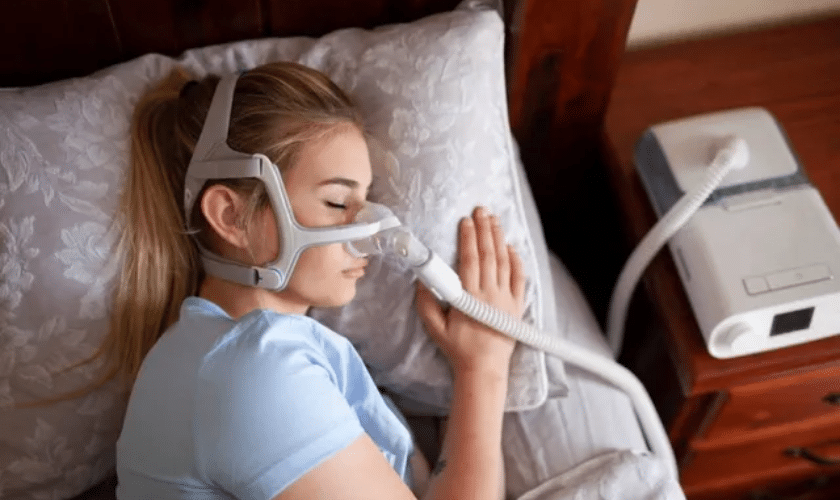
- Continuous Positive Airway Pressure (CPAP): CPAP therapy is the gold standard for treating moderate to severe obstructive sleep apnea. A CPAP machine delivers a continuous flow of air through a mask worn over the nose or mouth, keeping the airway open and preventing pauses in breathing.
- Bi-Level Positive Airway Pressure (BiPAP): Similar to CPAP, BiPAP therapy delivers pressurized air to keep the airway open, but it adjusts the pressure levels during inhalation and exhalation. This can be beneficial for individuals who have trouble exhaling against the pressure of a CPAP machine.
- Adaptive Servo-Ventilation (ASV): ASV therapy is specifically designed for treating central sleep apnea. It continuously monitors breathing patterns and adjusts the airflow to stabilize breathing throughout the night.
- Oral Appliance Therapy: For those who find CPAP or BiPAP uncomfortable or cumbersome, oral appliances may provide relief. These devices are custom-made to fit your mouth and work by repositioning the jaw to keep the airway open during sleep.
- Lifestyle Changes: In addition to medical interventions, certain lifestyle modifications can help alleviate sleep apnea symptoms. Losing weight, avoiding alcohol and sedatives before bed, and sleeping on your side rather than your back can all contribute to improved breathing during sleep.
- Surgery: In cases where other treatments have failed or are not feasible, surgical intervention may be considered. Procedures such as uvulopalatopharyngoplasty (UPPP), maxillomandibular advancement (MMA), and tracheostomy aim to widen the airway or remove obstructions to facilitate better breathing.
Tips for Better Sleep
While treatment is essential for managing sleep apnea, there are also steps you can take to optimize your sleep environment and promote restful slumber:
- Stick to a consistent sleep schedule, even on weekends.
- Create a relaxing bedtime routine to signal to your body that it’s time to wind down.
- Keep your bedroom cool, quiet, and dark to facilitate sleep.
- Consider investing in a cozy mattress and supportive pillows to promote a healthy sleep posture.
- Limit screen time and exposure to blue light before bed, as it can disrupt your body’s natural sleep-wake cycle.
Embracing Restful Nights
Sleep apnea may cast a shadow over your nights, but it doesn’t have to define them. By understanding the causes and symptoms of sleep apnea and exploring the array of treatment options available, you can take proactive steps toward reclaiming restful sleep and waking up refreshed each morning.
Whether you opt for CPAP therapy, oral appliances, or lifestyle changes, know that relief is within reach. With the right approach and support from healthcare professionals, you can banish sleepless nights and embrace the restorative power of sleep once more.

Want to schedule an appointment?
Ready to book your next appointment? Let's find the perfect time for you!
