1 Roosevelt Avenue, Suite 203 Peabody, MA 01960




How Ignoring Tooth Pain Can Turn Into a Serious Dental Issue

Many people often feel tooth pain, but it should not be ignored. Although it appears to be nothing serious, it can quickly become a more serious problem if neglected. Whether it is a dull ache or a sharp pain, it is usually an indication that something is not right in your mouth. Whether it is an infection, toothache, or other problems, the longer you wait, the worse it’s going to get.
While it may feel like an easy solution to simply ignore the toothache, there can be problems down the road. With an understanding of why you are facing the discomfort and the implications of not addressing it, you can make wise choices about your dental health. In this blog post, you can find out how to recognize the signs and symptoms.
Why Ignoring Tooth Pain Can Be Dangerous?
It may seem tempting to blow off a toothache, especially if the discomfort isn’t that bad. However, in reality, the longer you wait, the worse it could get.
Here is why you should visit a general dentist in Peabody when you feel even the slightest pain in your tooth:
Infections Can Spread
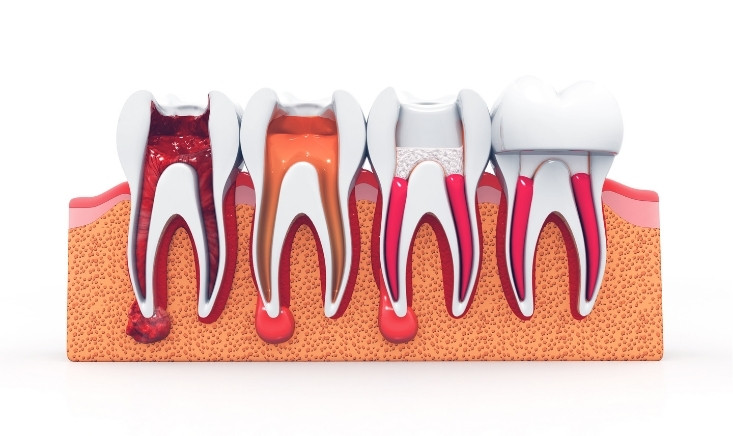
Toothache, especially when an abscess or an untreated cavity accompanies it, may lead to severe infections. The infection, if left untreated, may spread to any part of the body, leading to sepsis (bloodstream infection), an infection of the jaw, or a bone infection.
Longer Recovery time
A cavity, which could be filled and perhaps just require a simple cleaning, could easily escalate to root canal surgery or even extraction if neglected for a sufficient amount of time. The longer it remains unattended, the more advanced the procedure that needs to correct it will become.
Surrounding Tooth and Gum Injury
A decayed or infected area that is not treated can easily spread to neighboring teeth. Additionally, if gum disease is not treated, it can escalate and affect not only a tooth but also your whole smile. This could potentially result in tooth loss.
Increased Pain and Discomfort
What may begin as slight tooth sensitivity or dull pain can progress into sharp, stabbing, and even excruciating pain that interferes with your ability to carry out routine tasks, such as eating, talking, or sleeping.
More Complex Procedures
When an individual does not treat their toothache, the required treatment options are bound to become more complicated. This means, a problem that could have been resolved with a simple filling might require a root canal or even an extraction.
Common Causes of Tooth Pain
Tooth pain can be caused by many factors, which need to be identified first to ensure appropriate treatment. Some of the common factors include:
Cavities (Tooth Decay)
This occurs when bacteria in your mouth produce acid that damages your teeth’s enamel, leading to holes or decay. This is normally the main cause of toothache and can be painful when you eat or drink something hot or cold.
Gum Disease
Gum inflammation and infection can also cause toothaches. Gingivitis and periodontitis are the two types of gum diseases that can cause tooth sensitivity, bleeding gums, and pain if left untreated.
Cracked Teeth
These may result from an accident or wear and tear, leading to tooth cracking that might expose the nerves, especially upon contact with the tooth or upon chewing. These teeth might also retain food, increasing the pain.
Tooth Abscess
This is a pocket of pus formed by a bacterial infection. It is always accompanied by severe pain when pressure is applied.
Tooth Grinding (Bruxism)
Many people grind their teeth while sleeping, applying force to their teeth and gums without even realizing it. This problem can cause tooth sensitivity and even cracked or knocked-out teeth.
How to Manage Tooth Pain Before an Appointment?
In case you have a toothache but cannot go to see the dentist right away, you can temporarily relieve your pain in the following ways:
- Over-the-Counter Pain Relievers: Ibuprofen or acetaminophen may be taken to relieve pain until a dentist visit is possible.
- Saltwater Rinse: Washing your mouth with warm salt water can help relieve inflammation and rinse the surrounding areas of the sore tooth.
- Cold Compress: Placing a cold compress on the outside of your cheek where the pain is will help numb the area and reduce swelling.
- Avoid Trigger Foods: Hot, cold, or sweet foods may make your teeth ache. Try to avoid eating these before your dental visit.
Though these home remedies might offer short-term pain relief, they should not be considered an alternative to an actual general dentist’s treatment. This issue should be addressed with an appointment as soon as possible to avoid it from worsening.
The Importance of Regular Dental Checkups
One of the best ways to prevent tooth pain from becoming a serious dental problem is to schedule regular dental visits. Even if you are not having pain in your tooth, general dentists in Peabody, MA, can spot potential problems such as cavities, gum disease, and cracks in your teeth before they become painful and difficult to treat.
Routine visits enable your dentist to:
- Catch Issues Early: They allow your dentist to detect problems early and treat them in a simpler, much quicker manner.
- Prevent Future Problems: Professional dental cleanings are also important for removing plaque and tartar that may not be removed by brushing and flossing. This helps in preventing cavities and/or gum disease.
- Promote Overall Health: Taking care of one’s teeth and gums supports overall wellness. Regular visits may also be useful for checking for signs of certain diseases, such as diabetes or heart disease, that may appear in the mouth.
Act Before Your Toothache Worsens
Even though ignoring the pain in your teeth may seem like the quick, easy solution to the problem, it can actually have serious consequences down the line. Untreated tooth pain can be harmful to your health, and it is important to treat it accordingly.
Visiting a general dentist in Peabody can help prevent such dental issues. At Coastal Dental Arts Peabody, we are here to meet your needs and ensure you have a healthy smile. You can contact us today to schedule an appointment and take your first step towards a healthy smile.
FAQs
- What causes a tooth to hurt when chewing?
Tooth pain while chewing is often caused by a cavity, a cracked tooth, or an infection. Chewing pressure can aggravate the affected area, intensifying discomfort. Seeing a dentist early can prevent the issue from worsening. - Can tooth pain go away on its own?
While some toothaches may temporarily subside, recurring or persistent pain should be addressed by a dentist. Ignoring it can lead to more serious problems, such as infection or nerve damage, requiring more intensive treatment. - How can I prevent tooth pain in the future?
Maintain a consistent oral hygiene routine by brushing and flossing daily. Regular dental checkups, avoiding sugary foods and drinks, and using mouthguards to prevent grinding can all help minimize the risk of tooth pain. - What should I do if my tooth pain is severe?
Severe tooth pain often signals an infection or advanced decay. Seek immediate dental attention to prevent complications such as abscesses or tooth loss. Delaying treatment can make the issue more complicated and painful. - Can ignoring a cavity cause permanent damage?
Yes, untreated cavities can spread deeper into the tooth, leading to infection, abscesses, or even tooth loss. The longer you wait to treat a cavity, the more difficult and costly the treatment may become.

Want to schedule an appointment?
Ready to book your next appointment? Let's find the perfect time for you!
