1 Roosevelt Avenue, Suite 203 Peabody, MA 01960




Natural Ways to Support Healing After a Tooth Extraction in Peabody
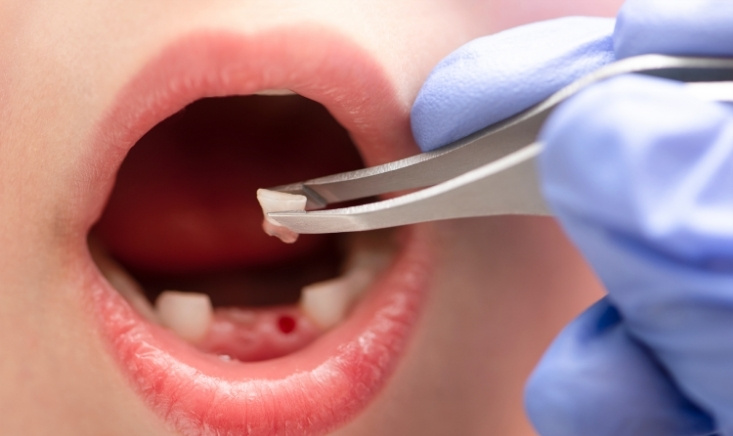
Tooth extractions are a common dental procedure, whether it’s for a damaged tooth or preparing for orthodontic work. While your dentist will provide aftercare instructions, many people turn to natural remedies to support their recovery. Using natural methods can help reduce pain, manage swelling, and speed up the healing process. In this blog, we will explore effective and simple natural ways to support healing after a tooth extraction, allowing you to recover more comfortably and quickly.
Follow Post-Extraction Care Instructions
After a tooth extraction, your dentist will give you a set of instructions to follow. It’s important to follow them closely to avoid complications. However, natural remedies can complement these guidelines. Be sure to keep your mouth clean, rest, and avoid certain activities like smoking, which can slow the healing process.
Natural Ways to Support Healing After a Tooth Extraction
Healing after a tooth extraction Peabody can be an uncomfortable experience. However, incorporating natural remedies into your recovery routine can help make the process smoother.
Here are several ways to support the healing process naturally:
1. Ice Packs for Swelling Relief
Swelling is a common side effect following a tooth extraction. To reduce this, apply ice packs to the affected side of your face. Use a clean cloth to wrap the ice pack and hold it against your cheek for 15-20 minutes at a time. This will help constrict blood vessels, reduce inflammation, and minimize discomfort. Ice should be applied in the first 24 hours after the procedure for maximum effectiveness.
2. Salt Water Rinses
Saltwater rinses are an age-old remedy for healing after dental procedures. Salt has natural antibacterial properties that can help reduce infection and promote tissue healing. Mix a teaspoon of salt into a glass of warm water and rinse your mouth gently. Do this several times a day, especially after eating, to help keep the extraction site clean and prevent infection.
3. Use Herbal Teas
Certain herbal teas have healing properties that can aid in your recovery. Chamomile tea, for example, can help soothe sore gums and reduce inflammation. Peppermint tea is also great for easing any discomfort. Drink these teas warm, and you can even use them as a mouth rinse after they’ve cooled down. Just be sure they’re not too hot, as this could irritate the extraction site.
4. Avoid Certain Foods
When recovering from a tooth extraction, what you eat can significantly impact your healing process. Stick to soft, easy-to-chew foods that don’t require much pressure on your gums. Foods like yogurt, applesauce, and mashed potatoes are excellent choices. Avoid hot, spicy, or acidic foods that might irritate your mouth or cause discomfort. Additionally, steer clear of hard, crunchy foods that could dislodge the blood clot forming in the extraction site.
5. Clove Oil for Pain Relief
Clove oil has been used for centuries to relieve dental pain. It contains eugenol, a natural compound that acts as an analgesic. To use clove oil, apply a small amount on a cotton ball and gently dab it on the sore area. This can provide instant relief from pain and help with the overall discomfort of recovery.
6. Keep Hydrated
Drinking plenty of water is essential for healing after any surgery, including a tooth extraction. Staying hydrated helps maintain the health of your tissues, speeds up recovery, and ensures your body has what it needs to repair itself. However, avoid using straws as the suction can dislodge the blood clot and interfere with healing. Drink water throughout the day to stay hydrated without disrupting the extraction site.
7. Rest and Sleep
Adequate rest is crucial for healing. Your body needs time to recover and rebuild tissues after an extraction. Ensure you get plenty of sleep during your recovery, as this is when your body does much of its healing work. Keeping your head elevated while resting can also help reduce swelling.
8. Aloe Vera for Healing
Aloe vera is widely known for its soothing properties. It can be applied directly to the gums around the extraction site to reduce inflammation and promote healing. You can either use fresh aloe vera gel or purchase aloe vera gel from a store, ensuring it’s free from any harmful additives. Apply it gently and let it sit for a few minutes before rinsing with water.
9. Avoid Smoking and Alcohol
Smoking and drinking alcohol can significantly slow down the healing process after a tooth extraction. Smoking can interfere with the blood clot formation in the socket, leading to complications such as dry socket, a painful condition that delays healing. Similarly, alcohol can dehydrate you, making it harder for your body to recover. It’s best to avoid both for at least a few days after the procedure.
10. Use Essential Oils Carefully
Essential oils like tea tree oil and lavender oil are known for their antimicrobial and calming properties. While these oils should never be applied directly to the extraction site, you can use them in a diluted form. Mix a few drops of essential oil with a carrier oil, like coconut oil, and use it to massage gently around the extraction area. These oils can help reduce the risk of infection and promote relaxation.
Natural Supplements for Healing
Certain supplements can support the healing process after a tooth extraction. Vitamin C is vital for tissue repair and immune function, while zinc is crucial for wound healing. Talk to your dentist or healthcare provider before adding any supplements to ensure they’re safe and appropriate for your specific situation.
Maintaining a Healthy Healing Process
Recovering from a tooth extraction in Peabody can take time, but with proper care and natural remedies, you can speed up the healing process and manage discomfort. Remember, following your dentist’s advice is crucial. These natural ways to support healing after tooth extraction can be a great addition to your recovery routine, but they should never replace professional medical care. If you experience excessive pain, swelling, or other complications, don’t hesitate to reach out to your dentist for guidance.

Want to schedule an appointment?
Ready to book your next appointment? Let's find the perfect time for you!
