1 Roosevelt Avenue, Suite 203 Peabody, MA 01960



Can Invisalign Help If I Already Had Braces, But My Teeth Shifted Back?
You had braces, did everything right, but now your teeth are moving again. Frustrating, isn’t it? You’re definitely not the only one. Tons of people who went through braces as teenagers or young adults find their teeth shifting a few years later. All that work for a straight smile, and then it starts to slip away. But here’s the good news: Invisalign can help.
What Causes Teeth to Shift After Braces?
After you get your braces off, your teeth aren’t locked in forever. Many patients don’t wear their retainers regularly, and that’s usually when teeth start to drift back. Sometimes it’s just part of getting older—your jaw and teeth move a bit as the years go by. And some of it comes down to genetics.
So, if your teeth have shifted, don’t be worried. It happens. Now let’s get to the part that matters: fixing it.
How Invisalign Works for Shifting Teeth
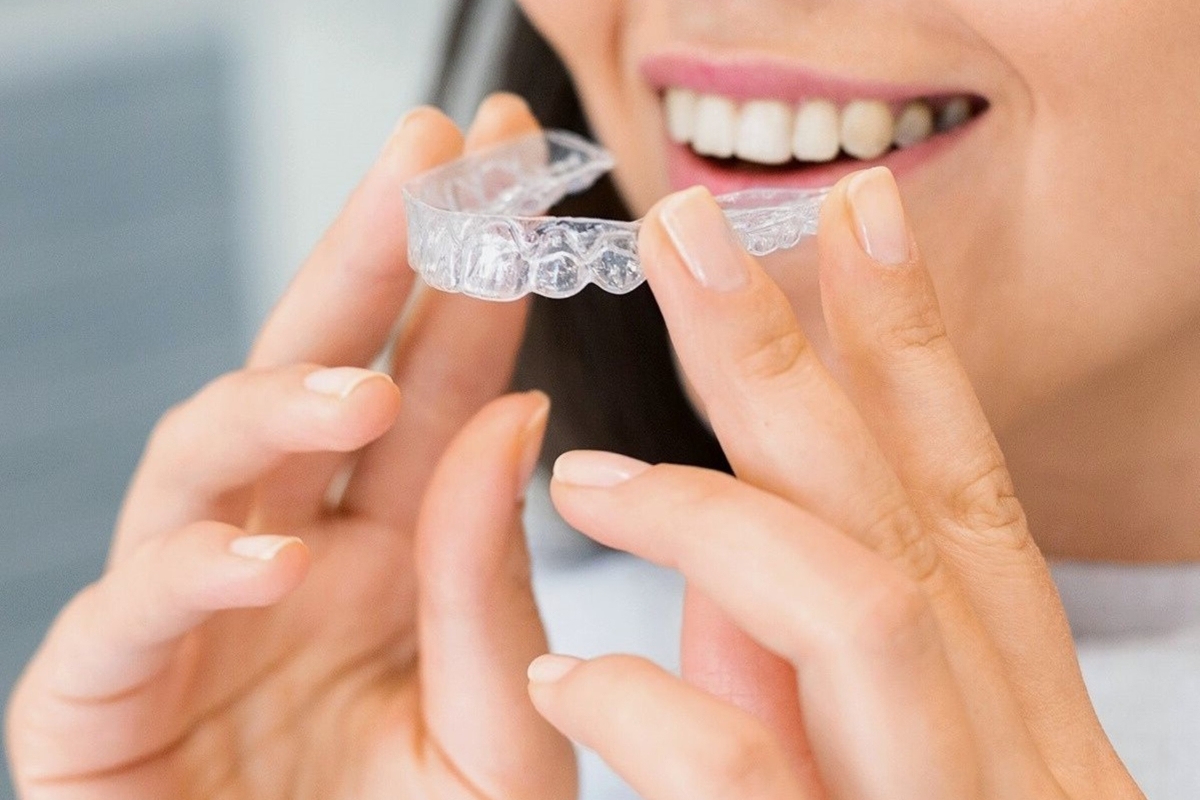
Instead of metal brackets and wires, you get a set of clear, custom-made clear aligners that gently nudge your teeth back where they belong. The process is pretty straightforward. First, you meet with a dentist or orthodontist. They’ll scan your teeth ( no goopy molds) and build a care plan using 3D imaging, so you can actually see how your smile will change.
Once that’s set, you get your aligners. You wear them 20 to 22 hours a day—take them out to eat or brush, but otherwise keep them in. Every week or two, you switch to a new set, each one moving your teeth a little more. You’ll check in with your dentist periodically to make sure everything’s on track and to get your next round of aligners.
After you’re done, you’ll need to wear a retainer. It’s the last step, but it’s a major one—this helps your teeth maintain their shape.
Why pick Invisalign?
First off, nobody notices you’re wearing them. They’re clear, so you don’t have to deal with the classic “brace face” look. The aligners are smooth and custom-fit, so there’s no poking or scratching as you get with metal braces. You can pop them out to eat whatever you want, and brushing your teeth stays simple. And for a lot of people, Invisalign works faster than old-school braces—especially if your teeth just need a little nudge after shifting.
How long does the treatment take?
It depends. Most people finish in 6 to 18 months. If you’ve had braces before and just need minor tweaks, you might be done even sooner.
Can Invisalign fix teeth that shifted after braces?
Absolutely. Whether your teeth have moved just a bit or a lot, Invisalign can get things back in line—without going back to metal brackets.
If you’re tired of seeing your smile drift, now’s the time to do something about it. Invisalign gives you a low-key, comfortable way to get your teeth straight again, without turning your life upside down. Book a consultation, see if it’s right for you, and take that first step to getting your smile back. Don’t just wish your teeth were straight—make it happen. Reach out to Coastal Dental Arts and schedule your appointment.
FAQs
1. How long does Invisalign treatment take for someone who has had braces before?
Invisalign treatment for people who’ve had braces can take anywhere from 6 to 18 months, depending on how much movement is needed and how consistently the aligners are worn.
2. Can I wear Invisalign if my teeth have shifted significantly?
Yes, Invisalign is effective for mild to moderate shifting. For more complex cases, traditional braces may be recommended, but Invisalign can still be an option depending on your specific needs.
3. Is Invisalign painful?
Invisalign aligners are generally more comfortable than traditional braces. While you may experience some discomfort during the first few days of each aligner set, it’s usually mild and temporary.
4. How often do I need to visit the dentist during Invisalign treatment?
You will typically visit your dentist every 6-8 weeks to check your progress and receive your next set of aligners.


Want to schedule an appointment?
Ready to book your next appointment? Let's find the perfect time for you!
