1 Roosevelt Avenue, Suite 203 Peabody, MA 01960




How to Remove Nicotine Stains from Teeth
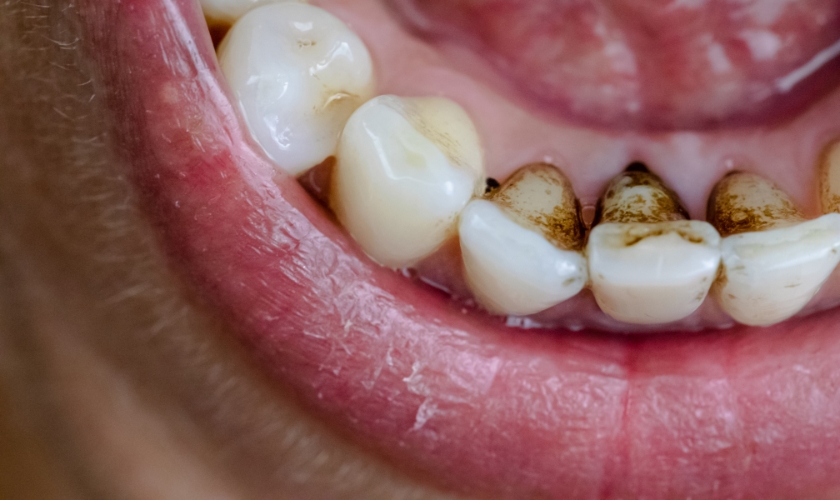
Nicotine, a major component of tobacco products, can leave behind stubborn yellow stains on teeth. These stains can be a source of self-consciousness, impacting your smile and confidence. But fear not; there are ways to combat these stains and achieve a brighter, whiter smile!
This blog will delve into the world of nicotine stains, exploring effective methods for removal and prevention. We’ll cover everything from at-home remedies to professional treatments, giving you a roadmap to a more dazzling smile.
The causes of tobacco stains on teeth
The main enemies behind those tobacco stains are the chemicals lurking in cigarettes, cigars, and chewing tobacco. Two major players in this staining game are tar and nicotine.
- Tar, the dark, sticky stuff that you might recognize from blacktop roads, is the villain behind that yellowing effect on teeth. It clings stubbornly to enamel, leaving its mark.
- Nicotine, the colorless and odorless chemical that makes tobacco so addictive, might seem harmless at first glance. But don’t be fooled! Over time, nicotine from smoking or chewing tobacco can build up on teeth, leaving unsightly stains and contributing to other serious dental problems.
So, it’s the combo of tar and nicotine, delivered by your tobacco habit, that creates those stubborn stains on your teeth.
The effects of tobacco stains on teeth
Tobacco use isn’t just bad for your lungs; it wreaks havoc on your teeth, too! Here’s how:
- Unsightly Stains: Tobacco stains are a surefire way to dull your smile. The tar and nicotine in tobacco products cling to teeth, leaving behind stubborn yellowing and disguising the naturally white enamel.
- Beyond the Surface: Unfortunately, the damage goes deeper than just stains. Over time, these chemicals can erode your tooth’s enamel, the hard outer shell. This exposes the dentin underneath, which is naturally more yellow. The more exposed dentin, the yellower your teeth become.
- Gum Trouble: Tobacco isn’t kind to your gums either. The chemicals in smoke irritate and inflame them, increasing your risk of gum disease. This serious infection can damage the bone supporting your teeth, eventually leading to tooth loss if left untreated.
How to remove tobacco stains from teeth
Removing teeth stains can be challenging, but there are several ways to quickly brighten yellow stains on your teeth. Quitting smoking and tobacco use is the most effective method, although this may not be feasible for everyone. If you seek immediate results without waiting for natural stain removal, there are alternative approaches available.
Professional Dental Treatments
Teeth Whitening
Professional teeth whitening is one of the most effective ways to remove nicotine stains. Dentists use high-concentration bleaching agents, such as hydrogen peroxide or carbamide peroxide, to break down the stains and whiten the teeth. In-office whitening treatments can produce noticeable results in a single visit, while take-home kits provided by dentists can offer gradual whitening over several weeks.
Dental Cleaning
A thorough dental cleaning, also known as prophylaxis, involves the removal of plaque and tartar from the teeth. Dental hygienists use specialized tools to scrape away these deposits, which can help reduce the appearance of nicotine stains. Regular dental cleanings, typically recommended every six months, can prevent the buildup of new stains and maintain oral health.
Veneers
For severe nicotine stains that do not respond well to whitening treatments, dental veneers may be an option. Veneers are thin, custom-made shells that cover the front surface of the teeth. They can mask discoloration and provide a natural-looking, bright smile. Veneers are a more permanent solution and require some removal of the tooth enamel.
At-Home Remedies
Whitening Toothpaste
Whitening toothpaste contains mild abrasives and chemical agents that help remove surface stains. While not as potent as professional treatments, they can be effective in reducing minor nicotine stains with consistent use. Look for toothpaste that contains baking soda, hydrogen peroxide, or activated charcoal for better results.
Baking Soda
Baking soda is a natural abrasive that can help scrub away surface stains on teeth. Create a paste by mixing baking soda with a small amount of water and brush your teeth with it for a couple of minutes. However, use this method sparingly, as excessive use can wear down the enamel.
Hydrogen Peroxide
Hydrogen peroxide is a common ingredient in many whitening products due to its bleaching properties. You can create a mouth rinse by diluting hydrogen peroxide with equal parts water and swishing it in your mouth for about a minute. Be sure to rinse thoroughly with water afterward to avoid irritation.
Activated Charcoal
Activated charcoal can absorb toxins and stains from the teeth. You can find toothpaste or powder containing activated charcoal. Gently brush your teeth with the charcoal for a couple of minutes, then rinse thoroughly. Use this method with caution, as it can be abrasive and should not be used too frequently.
Oil Pulling
Oil pulling involves swishing oil, such as coconut oil, in your mouth for about 15-20 minutes. This ancient practice is believed to help remove toxins and stains from the teeth. While more research is needed to confirm its effectiveness, some people find it beneficial for improving oral hygiene.
How to Preventing Nicotine Stains
- Quit Smoking: The most effective way to prevent nicotine stains is to quit smoking or using tobacco products. Not only will this improve the appearance of your teeth, but it will also enhance your overall health.
- Regular Brushing and Flossing: Maintain good oral hygiene by brushing your teeth at least twice a day and flossing daily. This helps remove plaque and prevent the buildup of stains.
- Use a Straw: When consuming beverages that can stain teeth, such as coffee, tea, or cola, use a straw to minimize contact with your teeth.
- Rinse Your Mouth: After smoking or consuming staining foods and drinks, rinse your mouth with water to reduce the likelihood of stains setting in.
Removing nicotine stains from teeth requires a combination of professional treatments and at-home remedies. While professional dental treatments offer the most effective results, maintaining good oral hygiene and using at-home methods can help keep your teeth looking their best. Ultimately, quitting smoking is the best way to prevent nicotine stains and improve your overall health. Regular dental visits and good oral care habits will ensure a bright, healthy smile.
Related Articles

Want to schedule an appointment?
Ready to book your next appointment? Let's find the perfect time for you!
