1 Roosevelt Avenue, Suite 203 Peabody, MA 01960




How to Maintain Oral Hygiene Between Dental Visits?
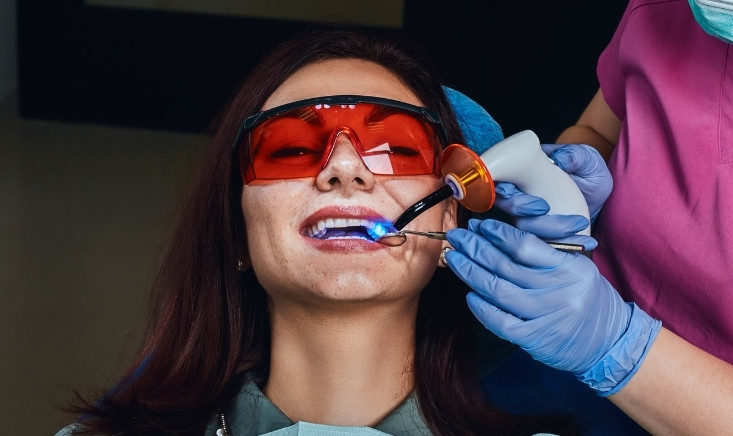
When was the last time you beamed at your reflection in the mirror and said to yourself, “Wow, my teeth look wonderful”? If it has been a while since then, don’t feel bad: You’re not alone. Most people believe that oral hygiene is good only for the 30 minutes at the dentist, but the truth is, what you do between those visits may be equally as important.
It is good to establish some small habits to maintain that post-cleaning sparkle or avoid any surprises during your next checkup.
So, let’s talk about how to maintain oral hygiene between dental visits.
Brush the Right Way, Twice a Day
Brushing is the backbone of any solid oral-care routine, but doing it wrong can be as detrimental as not brushing at all.
- Use a soft-bristled toothbrush to avoid damaging enamel or irritating gums.
- Brush for two minutes, twice a day—morning and evening.
- Angle the brush at 45 degrees to the gumline using a very gentle circular motion.
- Remember to replace your toothbrush every 3-4 months or sooner if the bristles become frayed.
- Consider switching to an electric toothbrush, which helps a lot of people brush better.
Don’t Forget the Floss
If brushing is the star, flossing is the lowly but essential understudy that gets things started.
They love to hang out where toothbrushes can’t manage to reach food, plaque. Floss at least once a day.
- It does away with food particles and plaque sitting way too tightly.
- Prevents gum disease by reducing inflammation.
- Helps prevent cavities between teeth, where they are often initiated.
- If you don’t favor regular floss, try using floss picks or water flossers for ease.
Know What to Eat
Your teeth are mostly what you eat. Acidic and sugary foods not only fuel cavities; they wear away the enamel and cause irritation to the gums.
- Minimize chocolatey snacks and sugary drinks, especially sodas and sweet candies.
- Don’t snack too often; otherwise, you increase the bacteria’s chance to thrive.
- Choose foods that are good for teeth, such as apples, carrots, celery, cheese, yogurt, and nuts.
- Drink water with every meal to rinse away food particles and neutralize acid.
The next time you wonder how your diet will affect your teeth, ask your dentist for advice tailored to your needs.
Use Mouthwash the Right Way
Mouthwash is not just for freshening your breath, although that is a lovely bonus. Generally, it’s a great tool for keeping your teeth healthy.
Seek therapeutic or antibacterial mouthwash that:
- Reduces plaque build-up
- Kills bacteria from touchy spots
- Firms tooth enamel, particularly with fluoride content
- Freshens breath without alcohol, which dries out the mouth
So remember: mouthwash is an assistant, not a substitute for brushing and flossing.
Stay Well Hydrated and Chew Sugar-Free Gum
If the mouth is infected, it welcomes bacteria. Thus, saliva must flow in the mouth.
To keep the saliva flow active, do the following:
- Drink water during the day.
- Chew sugar-free gum after meals, especially xylitol-sweetened gum, because xylitol combats cavities.
- It’s the saliva that acts as a natural defense for the mouth. Keep on generating saliva!
Recognize the Warning Signs
Your body communicates whenever there is an issue; so does your mouth. Never ignore signs like:
- Gums that bleed
- Persistent foul odor from the mouth
- Sensitivity to tooth
- Gums that appear red or swollen
Oral hygiene is good for the look and feel of teeth. It also prevents problems before they start. Proper brushing and flossing daily, mindful eating, and active tooth care will set you up for an excellent next dental visit.
So good luck, be consistent, and remember that healthy smiles are worth the effort!


Want to schedule an appointment?
Ready to book your next appointment? Let's find the perfect time for you!
