1 Roosevelt Avenue, Suite 203 Peabody, MA 01960



How to Handle a Loose Baby Tooth: A Parent’s Guide
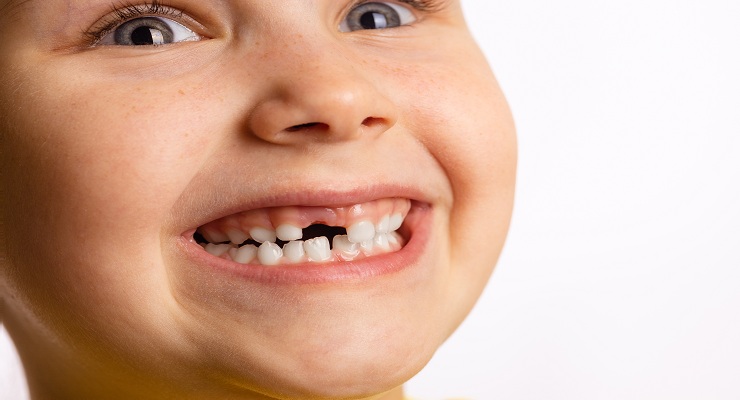
A loose baby tooth is one of those classic childhood moments—equal parts exciting and unsettling. One day your child is brushing before school, the next they’re wiggling a tooth at the dinner table and asking a hundred questions. For parents in Holmdel, where busy school mornings, sports practices, and family schedules are the norm, it’s natural to wonder what you should (and shouldn’t) do next.
In most cases, a loose tooth is simply a sign that your child is growing right on track. Still, there are situations where a little extra guidance can make all the difference. Understanding what’s normal, what needs monitoring, and when to seek professional care helps you support your child calmly and confidently.
After the first signs of movement, many families choose to consult a pediatric dentist Holmdel parents rely on for age-appropriate care—especially if something doesn’t look or feel quite right.
Why Baby Teeth Become Loose
Baby teeth loosen when permanent teeth underneath start to erupt. As the adult tooth pushes upward, it slowly dissolves the root of the baby tooth. This natural process allows the tooth to wiggle and eventually fall out on its own.
Parents are often curious about the stages of a loose baby tooth. These usually include:
- A slight wiggle noticed during brushing
- Increased movement when chewing or talking
- The tooth hanging on by a thin piece of tissue
- The tooth falling out naturally
Each child moves through these stages at their own pace, and that’s completely normal.
Situations That Deserve a Closer Look
Most loose teeth are harmless, but a few scenarios call for extra attention.
If a baby tooth is loose but still firmly attached for a long time, it could mean the adult tooth is erupting off to the side or needs help coming in properly.
Another concern parents notice is a loose baby tooth turning grey. This can happen after an injury and may signal damage inside the tooth. Color changes should never be ignored.
A baby tooth loose after fall, whether from a playground accident at Holmdel Park or a tumble during a weekend soccer game, should be checked by a dental professional—even if your child says it doesn’t hurt.
Should Parents Pull a Loose Tooth?
One of the most common questions is should you pull a loose baby tooth at home. In general, the answer is no. Pulling too early can cause pain, bleeding, or gum irritation.
Instead:
- Let the tooth fall out naturally
- Allow gentle wiggling if it doesn’t hurt
- Avoid twisting or forcing the tooth
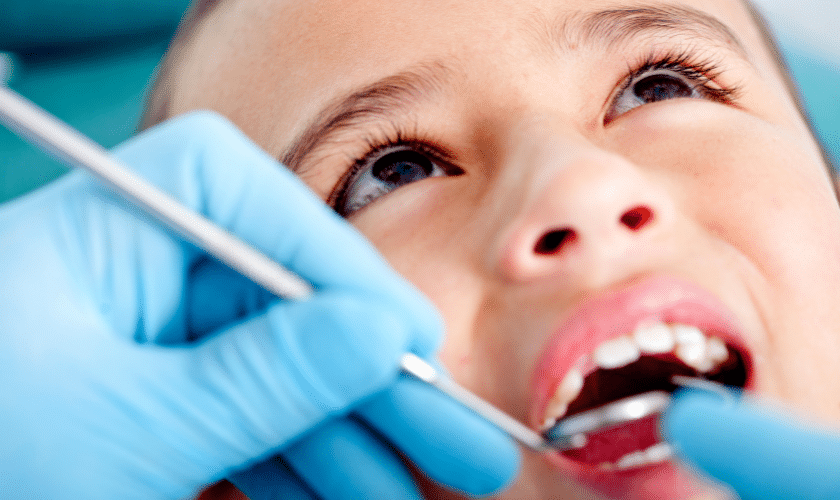
If a tooth is barely hanging on and bothering your child, a quick dental visit can make removal simple and stress-free.
Helpful Do’s and Don’ts for Parents
Do:
- Encourage gentle brushing around the area
- Offer softer foods if chewing feels uncomfortable
- Reassure your child that loose teeth are normal
- Watch for swelling, pain, or color changes
Don’t:
- Yank or rush the process
- Ignore changes after an injury
- Delay care if your child seems anxious or uncomfortable
Helping Your Child Feel Comfortable
Kids often take emotional cues from their parents. Keeping the tone positive helps reduce fear. Many Holmdel families turn loose teeth into a fun milestone—special bedtime routines, Tooth Fairy traditions, or letting kids track their “wiggle progress” can make the experience exciting instead of scary.
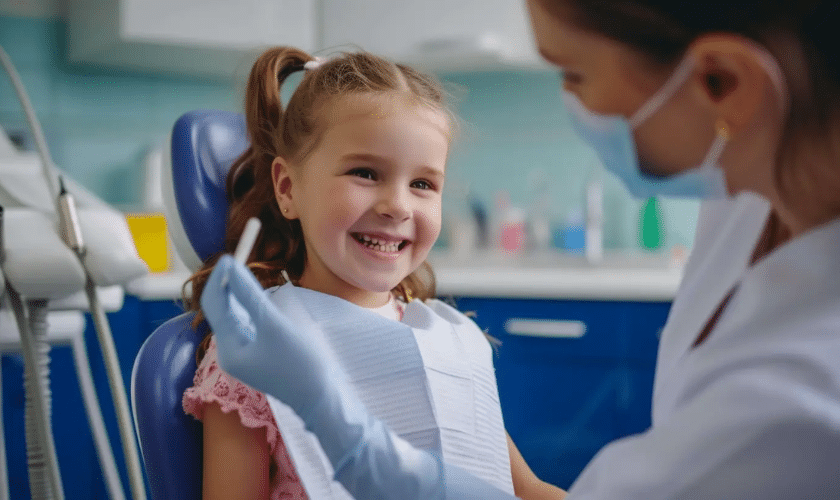
A visit to a familiar Pediatric Dentist Holmdel families trust can also ease anxiety. Friendly, child-focused dental care helps kids feel safe and builds healthy habits early.
Why Local Pediatric Dental Care Matters
Holmdel families value convenience and continuity. Between school schedules, after-school activities, and weekend events around Bell Works, having a nearby dental office that understands children’s developmental needs makes life easier.
Local pediatric dental care allows for ongoing monitoring of spacing, bite alignment, and eruption patterns—helping prevent small concerns from becoming bigger issues later.
When to Schedule a Dental Visit
Consider booking an appointment if:
- The tooth looks discolored or causes pain
- There was a recent fall or injury
- The tooth has been loose for months without progress
- Your child feels anxious or uncomfortable
Early evaluation provides reassurance for parents and comfort for kids.
End Note
A loose baby tooth is a milestone worth celebrating—but knowing when to seek guidance brings peace of mind. With the right care and reassurance, your child can move through this stage comfortably and confidently.
If you have concerns or simply want expert reassurance, schedule an appointment with the caring team at C Dental Arts. Supporting healthy smiles in Holmdel starts with attentive, kid-friendly dental care.
Frequently Asked Questions
How long does a baby tooth usually stay loose?
Anywhere from a few weeks to a couple of months is typical.
Is bleeding normal when a tooth falls out?
A small amount is normal and usually stops quickly with gentle pressure.
Can my child eat normally with a loose tooth?
Yes, though softer foods may feel more comfortable.
What if the adult tooth is coming in before the baby tooth falls out?
This happens sometimes and should be evaluated by a dental professional.
Want to schedule an appointment?
Ready to book your next appointment? Let's find the perfect time for you!
