1 Roosevelt Avenue, Suite 203 Peabody, MA 01960




How Can You Floss With Dental Implants?
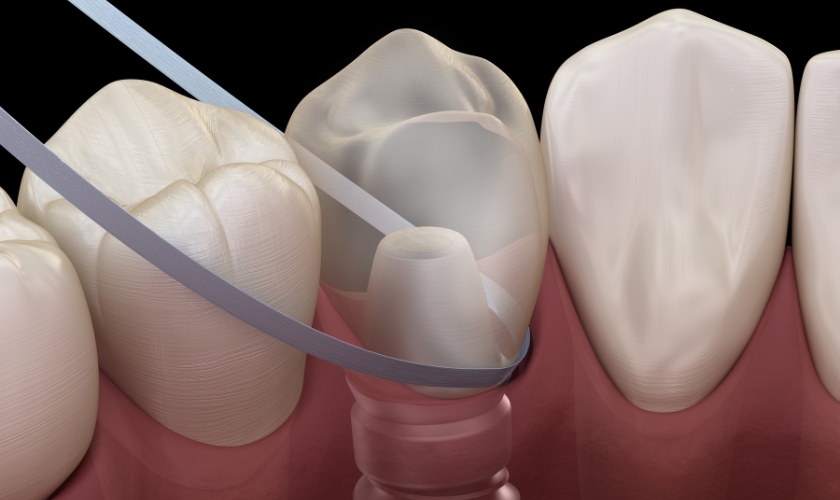
Dental implants are a popular and effective solution for replacing missing teeth, providing both aesthetic and functional benefits. However, maintaining the health of your dental implants requires proper oral hygiene, including flossing. Flossing with dental implants is essential to prevent plaque buildup and protect the surrounding gum tissue. This blog will guide you on how to floss with dental implants, ensuring their longevity and your overall oral health.
Choosing the Right Floss for Dental Implants
When it comes to flossing dental implants, selecting the right type of floss is crucial. Traditional floss may not always be the best choice for implants, as it can sometimes fray or get caught on the implant surface. Instead, opt for floss specifically designed for dental implants, such as those made with a thicker, spongy texture that can clean around implants more effectively. Some flosses also come with a stiff end to help thread the floss under the implant bridge or around the implant crown.
Additionally, there are floss alternatives like interdental brushes, water flossers, and soft picks that can be easier to use and just as effective. These tools are gentle on the implant and the surrounding gum tissue, reducing the risk of damage while ensuring thorough cleaning.
How to Floss Around Dental Implants?
Flossing around dental implants requires a bit of technique to ensure that you are removing plaque without causing harm to the implant or surrounding tissues. Here’s a step-by-step guide:
- Thread the Floss: If you’re using a specialized floss with a stiff end, gently thread it between the implant and the gumline. If you’re using a water flosser or interdental brush, position the tool at the gumline.
- Wrap the Floss: Wrap the floss around the implant in a C-shape. This allows the floss to make contact with the surface of the implant and the gumline.
- Gently Slide: Slide the floss up and down the side of the implant, making sure to reach below the gumline where plaque and bacteria can accumulate.
- Repeat: Repeat this process around each dental implant and adjacent natural teeth to ensure thorough cleaning.
Tools and Techniques for Effective Flossing
In addition to traditional floss, several tools can help you maintain the cleanliness of your dental implants. Water flossers, for instance, use a stream of water to remove debris and plaque from around the implants. They are especially useful for those who find traditional flossing difficult or uncomfortable.
Interdental brushes are another excellent option. These small brushes can fit between the implant and the gum, effectively removing plaque and food particles. They come in various sizes, so you can choose one that fits comfortably between your implants.
For the best results, consider incorporating a combination of these tools into your daily oral hygiene routine. Regular use will help prevent peri-implantitis, a condition similar to gum disease that can occur around implants.
Common Mistakes to Avoid When Flossing Implants
Flossing dental implants require care and attention. Common mistakes to avoid include:
- Using the Wrong Floss: As mentioned earlier, traditional floss can sometimes damage the implant surface or leave behind fibers. Always choose floss designed for implants.
- Flossing Too Aggressively: Being too forceful can damage the gum tissue around the implant. Always floss gently to avoid irritation or injury.
- Neglecting the Gumline: Make sure to clean below the gumline where bacteria can hide. Failure to do so can lead to gum inflammation and potential implant failure.
Regular Dental Check-ups
Routine dental visits are essential for maintaining the health of your dental implants. Here’s why:
- Professional Cleaning: During these check-ups, your dentist or hygienist will thoroughly clean your implants, removing any plaque or tartar that regular flossing might miss.
- Monitoring Implant Health: Your dentist will assess your implants for any signs of issues, such as gum inflammation or implant movement.
- Personalized Advice: Based on the condition of your implants, your dentist can provide customized advice to help you maintain optimal oral hygiene.
Consistent dental visits are crucial for preventing potential problems and keeping your implants in top condition. If you’ve recently received dental implants in Peabody, MA, make sure to schedule regular check-ups with a local implant specialist to ensure your implants stay healthy.
Diet and Lifestyle Tips for Implant Health
In addition to proper flossing and regular dental visits, a healthy diet and lifestyle are crucial for the longevity of your dental implants. Avoid sugary and acidic foods that can contribute to plaque buildup, and quit smoking if you do, as it can impair healing and increase the risk of implant failure. Staying hydrated and maintaining a balanced diet rich in vitamins and minerals will support your overall oral health and help keep your implants in excellent condition.
Flossing with dental implants requires special care and the right tools to ensure effective cleaning and the longevity of your implants. By choosing the appropriate floss, using the correct technique, and incorporating additional tools like water flossers and interdental brushes, you can maintain healthy dental implants. Remember, regular dental check-ups and a healthy lifestyle are also essential for the success of your dental implants. Taking these steps will help you enjoy the benefits of your implants for many years to come.
Want to schedule an appointment?
Ready to book your next appointment? Let's find the perfect time for you!
