1 Roosevelt Avenue, Suite 203 Peabody, MA 01960




How Sinus Grafting Supports Successful Dental Implants?
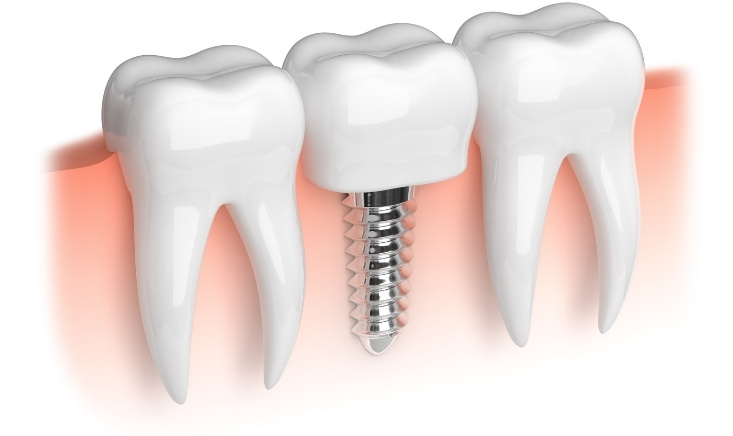
Dental implants are a popular option for dealing with missing teeth. However, one aspect of a successful dental implant is sufficient bone density. If you lack enough bone density, especially in your upper jaw, your dentist can face challenges in placing the implants properly. Without enough bone, the implants may not even integrate properly, leading to increased chances of failure.
This is where you need a sinus grafting. This procedure is essential in adding bone to your upper jaw and, thus, creates a strong foundation for dental implants.
In this blog, you will learn more about sinus grafting and understand how it supports a successful dental implant.
Sinus Grafting
What is Sinus Grafting?
Sinus grafting is a dental procedure that helps increase the bone volume in the upper jaw. It involves adding bone graft material to the area between your upper jaw and the maxillary sinus.
When Do You Need a Sinus Lift?
Knowing when you need a sinus lift can help you get the right treatment at the right time.
- If you have been missing teeth for a long time and eventually notice your jawbone is shrinking.
- If you have a large sinus cavity, naturally, you will not have sufficient bone density for implant placement.
- Severe gum disease can also lead to bone deterioration in your upper jaw.
How Sinus Grafting Improves Implant Outcomes?
Exactly why a sinus grafting is necessary for dental implants?
- Strengthen the Bone for Long-term Stability
The added bone here creates a secure foundation for your implants. Having sinus grafting ensures you do not face any stability issues for your dental implant, not at least within a few days of getting it.
- Higher Rate of Success
Various studies show a better success rate for dental implants when sinus grafting is done. Especially if you have suffered a higher degree of bone loss, you will get better results with sinus grafting.
With this procedure available, more patients become eligible for getting dental implants.
- Prevent Complications like Implant Failure
If you place an implant without having sinus grafting, even after having low bone density, you are basically looking for an implant failure. The implant can also penetrate the sinus cavity, which increases the chances of getting infections or chronic sinus issues.
With sinus grafting, you can ensure proper placement for your implants and reduce the chances of post-surgical complications.
How to Recover After A Sinus Grafting?
- Try not to sneeze forcefully to avoid disrupting the graft.
- Follow all the medicines as prescribed by your dentist.
- Use a cold compress outside your cheek. This can help minimize the swelling and also numb the pain.
- For the initial few days, stick to a soft food diet.
- Avoid smoking and drinking alcohol, as it can delay your healing.
If your dentist tells you that you do not have sufficient bone density for an implant, go for sinus grafting. This procedure ensures you get your choice of dental solution and also receive the best possible outcome.
Want to know more about sinus grafting? Contact us now.
Want to schedule an appointment?
Ready to book your next appointment? Let's find the perfect time for you!
