1 Roosevelt Avenue, Suite 203 Peabody, MA 01960




Dental Implant Types Explained for Peabody Patients
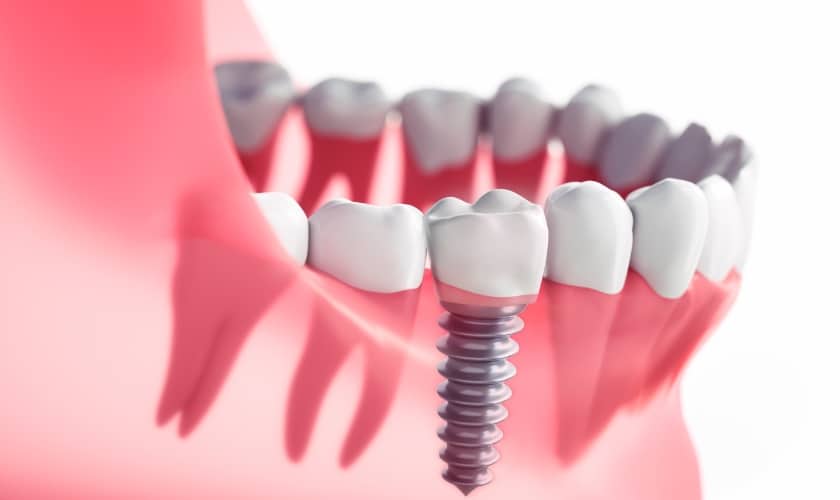
Are you considering dental implants to restore your smile? Understanding the different types of dental implants can help you make an informed choice, ensuring that your decision is the best fit for your needs and lifestyle. Dental implants are a long-term solution for replacing missing teeth, but not all implants are created equal. Choosing the right type is crucial for both functionality and aesthetics.
For residents of Peabody, this guide will help you navigate the various types of implants available at Coastal Dental Arts. Whether you’re dealing with a single missing tooth or need to replace multiple teeth, we’re here to help you understand the options that best suit your dental health and lifestyle.
What Are Dental Implants?
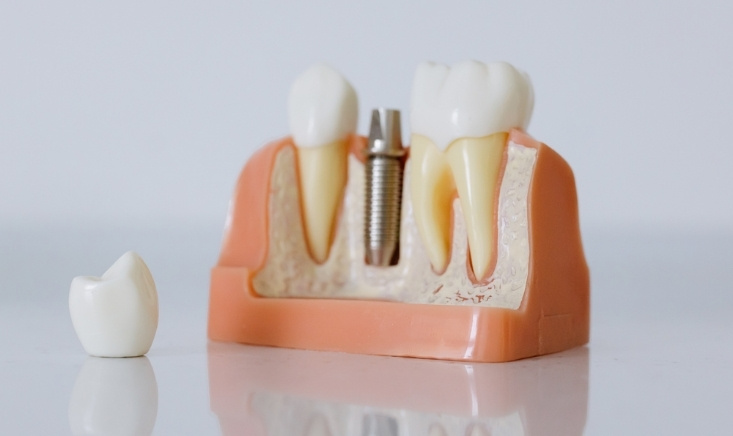
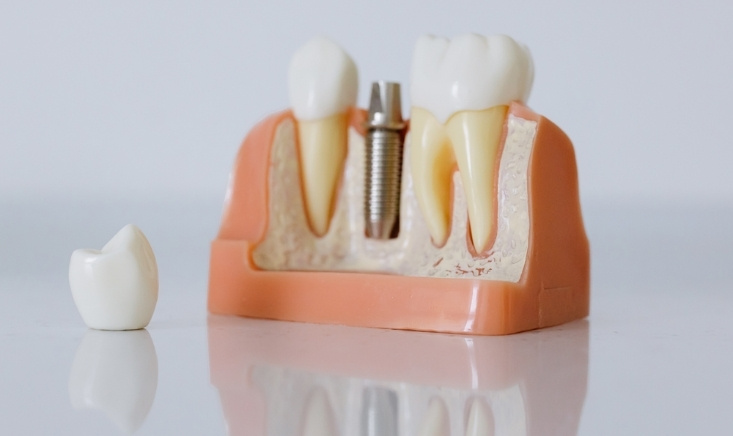
Implants are artificial tooth roots that are surgically placed into your jawbone to support a replacement tooth or bridge. Made from biocompatible materials such as titanium, they fuse with the bone over time, creating a strong foundation for artificial teeth that function just like your natural teeth.
Dental implants, are the most advanced solution for replacing missing teeth. They restore the full function and appearance of your smile, helping you enjoy all the foods you love, speak clearly, and smile confidently again. Unlike dentures, which can slip or require adhesives, implants are stable and permanent, giving you back the comfort and reliability of natural teeth.
Tooth implants are essential for those who have lost teeth due to injury, decay, or gum disease. They not only improve your smile but also help preserve the integrity of your jawbone, preventing bone loss that often occurs when teeth are missing.
Types of Dental Implants
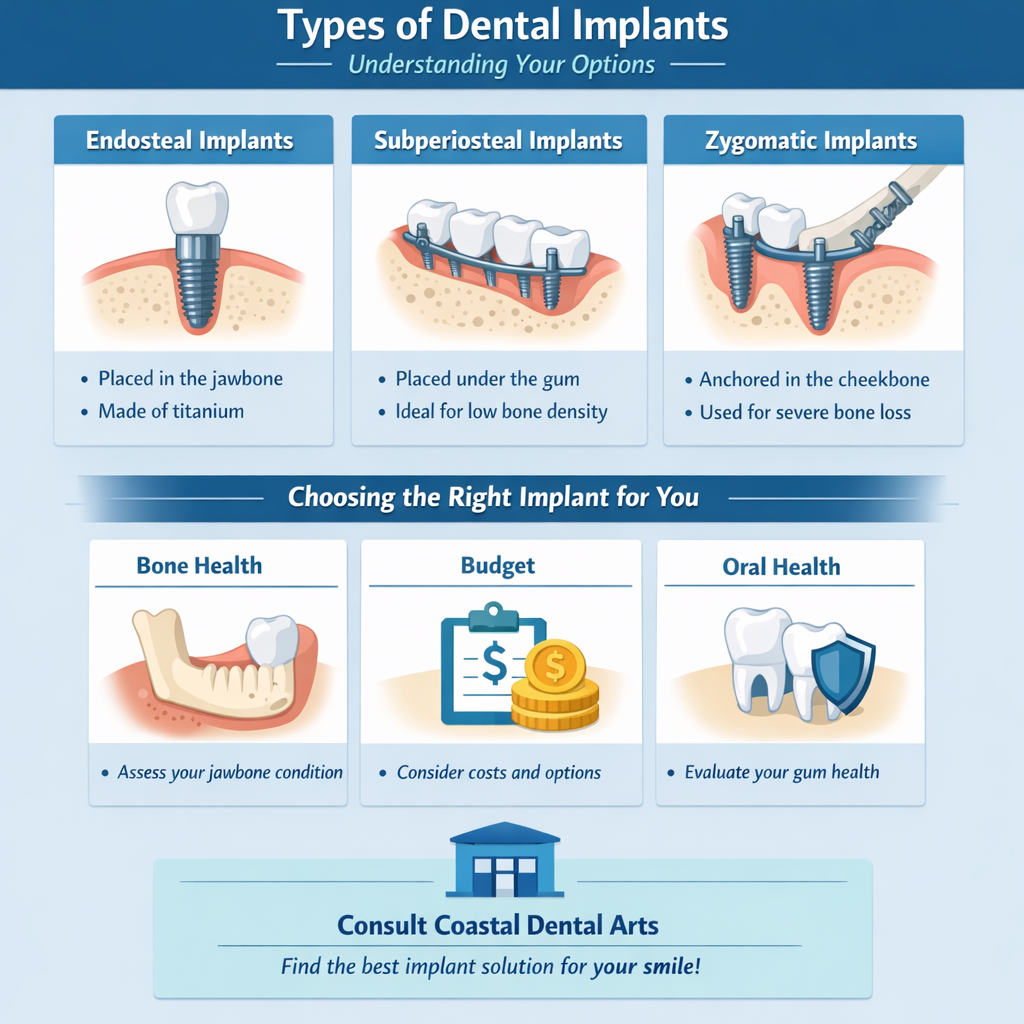
When it comes to dental implants, there isn’t a one-size-fits-all solution. At Coastal Dental Arts, we offer different types of dental implants, each suited to specific needs. Below are the three most common types:
Endosteal Implants
Endosteal implants are the most common type of dental implant. These implants are placed directly into the jawbone and are typically made from titanium. After the bone heals and fuses with the implant (a process called osseointegration), a crown is placed on top of the implant to restore the missing tooth.
These implants provide a sturdy and long-lasting solution, especially for patients with enough healthy jawbone. They offer excellent stability and natural function, making them a popular choice among those looking for a permanent solution to missing teeth.
Subperiosteal Implants
Subperiosteal implants are placed under the gum but on top of the jawbone, making them ideal for patients with insufficient bone to support endosteal implants. Instead of being embedded in the bone, a metal frame is placed beneath the gum tissue, and the implant posts are attached to the frame.
This type of implant is a great option for individuals who have experienced significant bone loss but do not want to undergo bone grafting surgery. Subperiosteal implants are a viable alternative when bone density is not enough to support other types of implants.
Zygomatic Implants
Zygomatic implants are used when there is extreme bone loss in the upper jaw. These implants are anchored into the zygomatic bone (the cheekbone), rather than the jawbone, providing a solution for those who may not be candidates for traditional dental implants.
These implants offer a secure fit without the need for bone grafting, making them an effective option for patients with severe bone loss in the upper jaw. They can restore your smile and tooth function when other implants are not feasible.
How to Choose the Right Type for You
Choosing the right tooth implant type involves a variety of factors, including your oral health, the condition of your jawbone, and your overall goals for tooth restoration. Here’s what to consider:
- Bone Health: One of the most important factors in choosing an implant type is the amount of healthy bone in your jaw. If your jawbone is too thin or soft, options like subperiosteal or zygomatic implants may be the best choice.
- Budget: The cost of dental implants in Peabody, MA, can vary based on the type and complexity of the procedure. Endosteal implants are often the most affordable, while zygomatic implants may require more specialized care.
- Oral Health Status: Patients with healthy gums and sufficient bone mass are typically ideal candidates for endosteal implants. However, patients with gum disease or bone loss may need to consider alternatives like subperiosteal implants.
At Coastal Dental Arts, our team will assess your specific needs through a comprehensive consultation, ensuring you get the right implant type based on your dental health and goals.
Benefits of Dental Implants in Peabody
Dental implants offer numerous benefits for patients in Peabody, including:
Functionality
Dental implants function just like natural teeth, allowing you to chew, speak, and smile confidently. Whether you need to replace one tooth or several, implants will restore your bite and make eating easier and more enjoyable.
Aesthetics
Implants provide a natural appearance that blends seamlessly with your remaining teeth. They are custom-made to match your tooth color and shape, ensuring that your smile looks great and feels natural.
Durability
When properly cared for, tooth implants can last a lifetime. They are incredibly durable and resistant to damage, making them a long-term solution for those looking to restore their smile.
The Dental Implant Process
The process of getting dental implants typically involves several steps:
Consultation and Planning
Your journey begins with a thorough consultation at Coastal Dental Arts. During this visit, we’ll evaluate your oral health, discuss your treatment goals, and create a personalized plan. We may take X-rays or CT scans to assess the condition of your jawbone.
Surgery and Recovery
Once your treatment plan is in place, the implant surgery will be scheduled. During the procedure, the implant is placed into the jawbone. Recovery time varies, but generally takes a few months for the bone to fuse with the implant. During this time, you may need to follow specific care instructions to ensure proper healing.
Maintenance and Aftercare
After your implant has fully integrated with the bone, we’ll place a crown, bridge, or denture on top. Ongoing care includes regular dental visits to ensure the implants stay healthy and stable. Proper brushing and flossing are essential to maintaining your implants’ longevity.
Why Choose Coastal Dental Arts for Your Dental Implants?
At Coastal Dental Arts, we are committed to providing personalized care and high-quality dental implants for our Peabody patients. Here’s why we stand out:
- Experienced Team: Our team of dental professionals has extensive experience in performing dental implant surgeries and restorations, ensuring the best possible outcome.
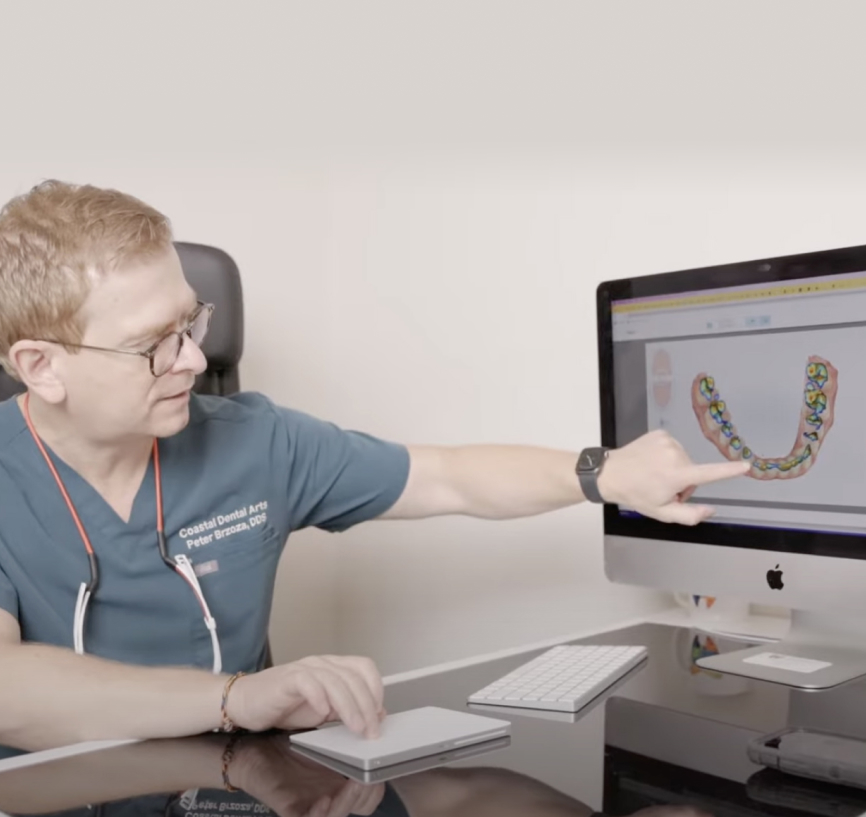
- Advanced Technology: We use advanced technology to plan and execute precise implant placements, ensuring a smooth and successful procedure.
- Personalized Care: We take the time to understand your needs and customize each treatment plan to achieve the best results.
Dental implants are an excellent solution for restoring missing teeth, offering both functional and aesthetic benefits. Whether you choose endosteal, subperiosteal, or zygomatic implants, you can rest assured that Coastal Dental Arts will guide you through the process and provide the highest level of care.
Are you ready to restore your smile with dental implants? Contact our Peabody office today to schedule a consultation with our professional team. We look forward to helping you achieve a beautiful, functional smile.
Frequently Asked Questions
How long do dental implants last?
With proper care, dental implants can last a lifetime. Regular checkups and good oral hygiene will help ensure their longevity.
Can dental implants improve my smile?
Yes, dental implants restore both function and aesthetics, providing a natural-looking and long-lasting solution for missing teeth, enhancing your smile.
What is the recovery time for dental implants?
Recovery typically takes a few months for the implant to fuse with the jawbone. Initial healing usually takes 1-2 weeks, but full integration may take 3-6 months.
How do I care for my dental implants?
Care for dental implants by brushing and flossing daily, avoiding hard foods, and attending regular dental checkups to ensure their longevity.
Will my dental implants look natural?
Yes, dental implants are custom-made to match the color, shape, and size of your natural teeth, blending seamlessly into your smile.
Want to schedule an appointment?
Ready to book your next appointment? Let's find the perfect time for you!
