1 Roosevelt Avenue, Suite 203 Peabody, MA 01960




How Do Dental Fillings Prevent Cavities from Spreading?
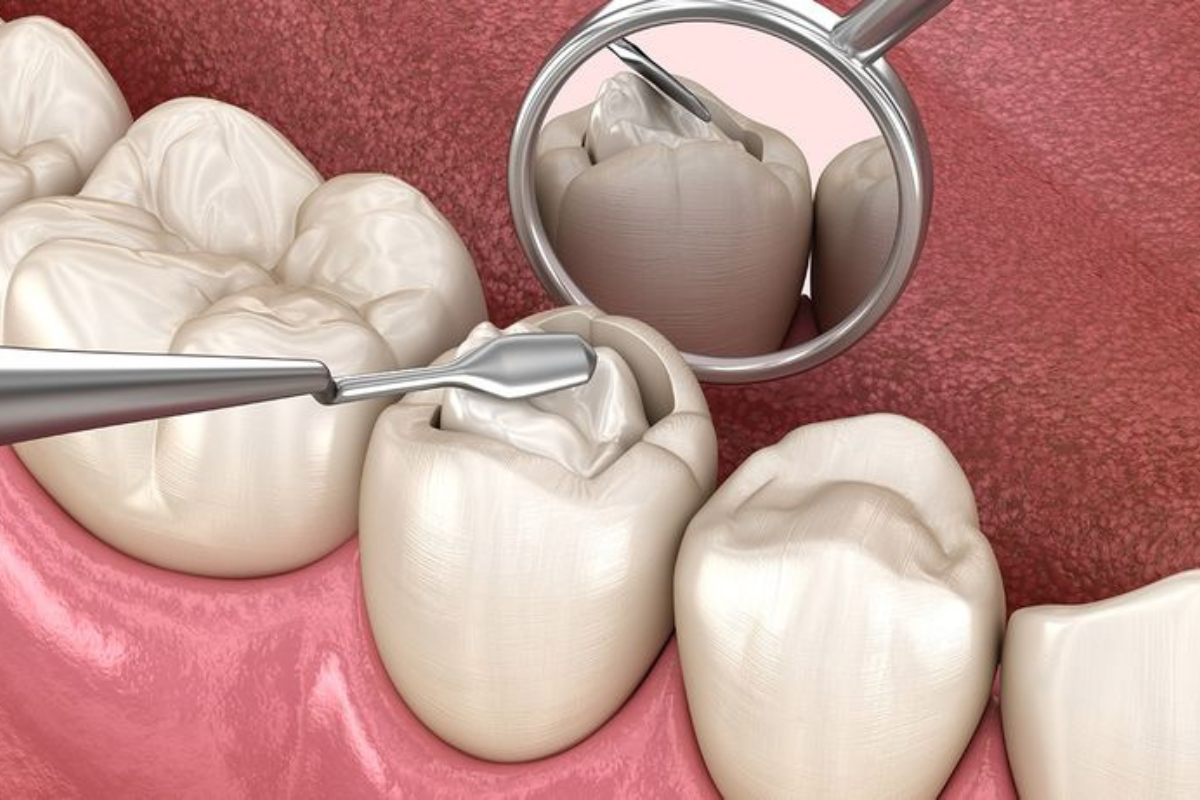
Cavities are one of the most common dental issues that people face. While they may start small, if left untreated, cavities can spread, causing serious damage to your teeth and overall oral health. Thankfully, dental fillings provide a practical way to halt the spread of tooth decay and safeguard your teeth from further harm. But how do dental fillings prevent cavities from spreading? Let’s explore this important topic and see why fillings are such an essential part of modern dental care.
What Causes Cavities?
Cavities, or dental caries, occur when the hard surface of your teeth becomes damaged due to bacterial activity. This damage often results from poor oral hygiene, excessive sugar intake, or a diet that promotes tooth decay. Over time, these bacteria produce acid that erodes the enamel, thereby creating small holes in your teeth. If untreated, these holes will grow, potentially leading to infections or even tooth loss.
Tooth fillings play a critical role in stopping this damage in its tracks, but let’s first look at why they are necessary.
How do Tooth Fillings work?
Dental fillings are designed to restore the damaged parts of a tooth after a cavity has formed. Here’s a breakdown of how they prevent cavities from spreading:
- Removing the Decayed Area: The first step is removing the decayed portion of the tooth. Your dentist uses special tools to eliminate the bacteria-infected areas and clean the cavity to prevent further damage.
- Filling the Cavity: After cleaning, the dentist fills the cavity with a substance like gold, composite resin, or amalgam. This prevents bacteria from entering the tooth again and spreading deeper into the dentin, the layer beneath the enamel.
- Sealing the Tooth: Once the filling is in place, it seals the cavity, ensuring that no food particles, bacteria, or acids can penetrate the damaged area.
By sealing the cavity, dental fillings prevent the spread of bacteria that cause further decay. This not only saves the tooth but also preserves overall oral health.
Benefits of Dental Fillings
Fillings do much more than stop cavities from spreading. Here’s why they are a popular treatment:
- Restoring Tooth Function: Dental fillings restore the strength and function of your tooth. You can chew, bite, and eat normally without discomfort.
- Preventing Infections: Without proper treatment, cavities can lead to infections that spread into the tooth pulp and roots. Fillings stop this process before it worsens.
- Aesthetics: Modern fillings, like composite resin, blend in with your natural tooth color. This makes them an aesthetically pleasing option that helps maintain the appearance of your smile.
Different Types of Tooth Fillings
There are several types of fillings available depending on the location and severity of the cavity. Each type offers unique advantages. Below are some of the most commonly used filling materials:
- Amalgam Fillings: Made of a mixture of metals, amalgam is durable and long-lasting. It is most commonly used for cavities in the back teeth because of its strength.
- Composite Resin Fillings: These are tooth-colored fillings that offer a natural appearance. Composite fillings are commonly used for front teeth or visible areas of the mouth where aesthetics are important.
- Gold Fillings: Gold is one of the most durable materials for fillings. Although less commonly used, it offers excellent longevity and strength.
- Ceramic Fillings: These are also tooth-colored and are resistant to staining. Ceramic fillings are typically more expensive but provide excellent results for both appearance and durability.
Each type of filling has its own benefits and will be chosen based on parameters such as the cavity’s size, position within the mouth, and your dentist’s recommendation.
Why Fillings Are Important for Stopping Tooth Decay?
Tooth decay doesn’t stop once it begins. Without intervention, the decay will continue to spread deeper into the tooth. Here’s why dental fillings are crucial for preventing the progression of tooth decay:
- Stopping Decay in Its Tracks: As soon as the cavity is cleaned and filled, the decay process is halted. The bacteria are removed, and the filling material seals off the tooth, protecting it from further harm.
- Preserving Tooth Structure: Dental fillings help preserve the structure of your tooth by preventing the need for more invasive procedures. If left untreated, a cavity could lead to a root canal or even tooth extraction.
- Avoiding More Complicated Treatments: The earlier you address cavities, the easier and less costly the treatment. Waiting too long could result in more serious harm, which may require crowns, root canals, or dental implants.
How to Maintain Tooth Fillings and Prevent Future Cavities?
Although dental fillings prevent cavities, maintaining your oral health is equally important to avoid further decay. Here are some tips to keep your teeth in good shape:
- Brush Twice a Day: Regular brushing helps remove plaque, bacteria, and food particles from your teeth. This reduces the risk of developing new cavities.
- Floss Daily: Flossing aids in keeping the areas between your teeth clean that your toothbrush may not reach. This prevents food and bacteria from causing new decay.
- Visit Your Dentist Regularly: Regular check-ups allow your dentist to monitor the health of your fillings and identify any new cavities early on. A visit to a dentist Peabody can help ensure your fillings stay in top condition.
- Watch Your Diet: Limit sugary foods and drinks, as these can contribute to cavity formation. Drinking water and eating foods rich in vitamins and minerals can support your oral health.
Do Fillings Last Forever?
Although dental fillings are a durable and long-lasting solution, they don’t last forever. Over time, fillings may wear down, crack, or fall out. Because of this, it’s critical to continue receiving regular dental care to check the condition of your fillings. Depending on the material used, fillings can last anywhere from 5 to 15 years.
Signs that your filling may need replacement include sensitivity to hot or cold foods, discomfort when chewing, or visible damage to the tooth. If you notice any of these signs, it’s time to schedule an appointment with your dentist to assess the issue.
Dental Fillings For Cavities
Dental fillings are an essential treatment to stop the spread of cavities and protect your teeth from further damage. They remove decayed areas, seal the tooth, and restore function while preserving your overall oral health. With proper care and maintenance, fillings can last for many years and keep your smile healthy and strong.
If you’re concerned about cavities or need a check-up, don’t wait until the decay worsens. Schedule an appointment with dentist in Peabody today and take the necessary steps to safeguard your teeth from cavities.
Frequently Asked Questions
How long does a dental filling procedure take?
A typical dental filling takes about 30-60 minutes. The duration depends on the size of the cavity and the type of filling used.
Can cavities still form under a dental filling?
Yes, if a filling becomes damaged or if bacteria enter small gaps, a new cavity can form beneath the filling.
Can I eat immediately after getting a dental filling?
It’s best to wait a few hours to eat, especially if your mouth is still numb. This helps avoid biting your cheek or tongue accidentally.
Related Articles

Want to schedule an appointment?
Ready to book your next appointment? Let's find the perfect time for you!
