1 Roosevelt Avenue, Suite 203 Peabody, MA 01960




Common Dental Crown Problems and Simple Ways to Fix Them
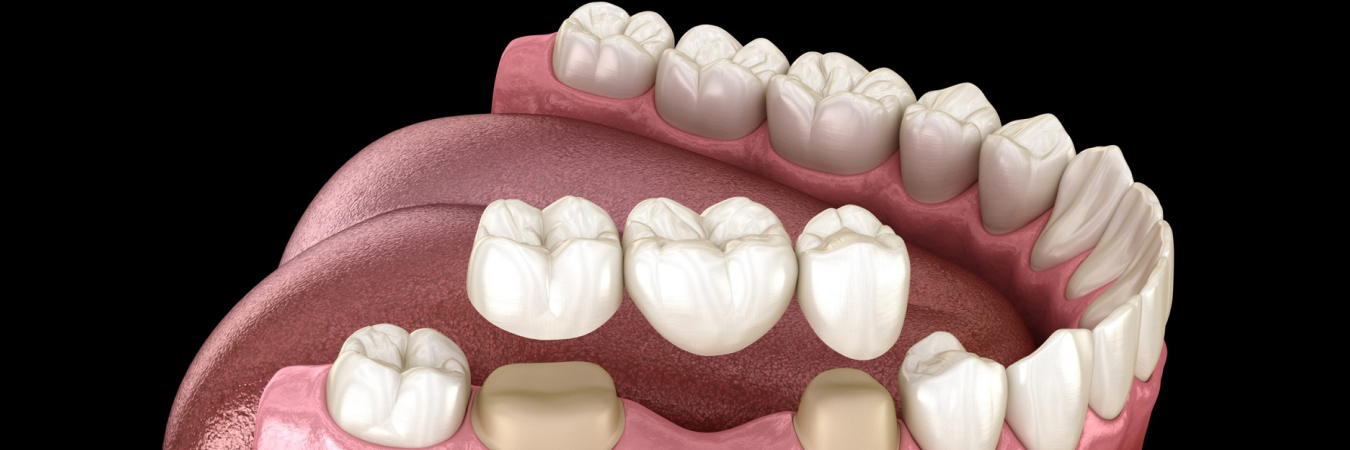
Dental crowns are designed to protect, restore, and strengthen damaged teeth—but like anything that gets daily use, they’re not immune to problems. Whether you’ve had a crown for years or recently received one, knowing what can go wrong (and how to fix it) can save you time, discomfort, and stress.
For patients seeking a reliable dental crown in Peabody, understanding common crown issues helps you know when it’s time to call your dentist—and when a simple adjustment may be all you need.
Let’s walk through the most common dental crown problems, what causes them, and how modern dentistry can help restore your comfort and confidence.
Common Dental Crown Problems You Shouldn’t Ignore
1. Crown Feels Loose or Falls Off
A crown may loosen if the cement washes away, decay develops underneath, or the tooth structure changes over time. This can happen gradually or suddenly—sometimes while eating sticky foods or even brushing.
How it’s fixed:
Your dentist will assess whether the crown can be re-cemented or needs replacement. Acting quickly helps prevent further damage to the underlying tooth.
2. Pain or Sensitivity Around the Crown
Discomfort when biting or sensitivity to hot and cold can signal issues such as an improper fit, nerve irritation, or underlying decay.
In some cases, patients delay treatment after a tooth cracked prior to crown placement, which may later cause lingering sensitivity if the crack worsens beneath the crown.
How it’s fixed:
Adjustments, bite corrections, or additional treatment—such as addressing nerve inflammation—can relieve pain and protect the tooth.
3. Crown Doesn’t Match Surrounding Teeth
Over time, gum recession or changes in natural tooth color may make a crown look mismatched. While older crowns were more noticeable, today’s materials offer a much more natural appearance.
How it’s fixed:
Modern crowns are crafted to blend seamlessly with your smile. A replacement crown can restore a natural look and improve confidence.
4. Chipped or Worn Crown
Porcelain crowns are durable but not indestructible. Grinding, chewing ice, or using teeth as tools can cause chips or cracks.
How it’s fixed:
Minor chips can sometimes be repaired, while significant damage may require a new crown—especially to protect the tooth underneath.
5. Decay Beneath the Crown
Even though a crown covers the tooth, decay can still develop at the margin if oral hygiene slips. This is one of the most common long-term issues dentists see.
How it’s fixed:
Early decay may be treated conservatively. Advanced cases may require crown replacement or additional restorative care.
Why Local Patients Delay Crown Repairs—and Why You Shouldn’t
Life in Peabody is busy—from commuting on Route 128 to juggling work, school, and family responsibilities. Many patients postpone dental visits, hoping minor discomfort will pass.
Unfortunately, small crown issues rarely resolve on their own. Early care not only prevents bigger problems but also saves time and money in the long run.
If you’re experiencing discomfort or noticing changes in your crown, a quick visit for a Dental Crown in Peabody can make all the difference.
How to Protect Your Dental Crown
Simple habits can extend the life of your crown:
- Brush twice daily and floss carefully around the crown
- Avoid chewing ice or hard candies
- Wear a night guard if you grind your teeth
- Schedule regular dental checkups
- Don’t ignore sensitivity or bite changes
Preventive care is especially important if the crown was placed after a Tooth Cracked, as underlying structures may already be weakened.
When to See a Dentist Immediately
Book an appointment if you notice:
- Persistent pain or swelling
- A loose or missing crown
- Sharp edges irritating your tongue or gums
- Changes in how your bite feels
- Sudden sensitivity when eating or drinking
Prompt care helps preserve your natural tooth and prevents further complications.
FAQs About Dental Crown Problems
How long do dental crowns usually last?
With proper care, most crowns last 10–15 years or longer.
Can a loose crown be fixed the same day?
In many cases, yes—especially if there’s no damage to the underlying tooth.
Is crown pain normal after placement?
Mild sensitivity is common initially, but ongoing pain should be evaluated.
What happens if I ignore a damaged crown?
Delaying treatment can lead to infection, tooth fracture, or the need for more extensive procedures.
Do crowns require special cleaning?
No special tools—just thorough brushing, flossing, and regular dental visits.


Want to schedule an appointment?
Ready to book your next appointment? Let's find the perfect time for you!
