1 Roosevelt Avenue, Suite 203 Peabody, MA 01960




What to Expect After Gum Disease Treatment: Recovery Week by Week
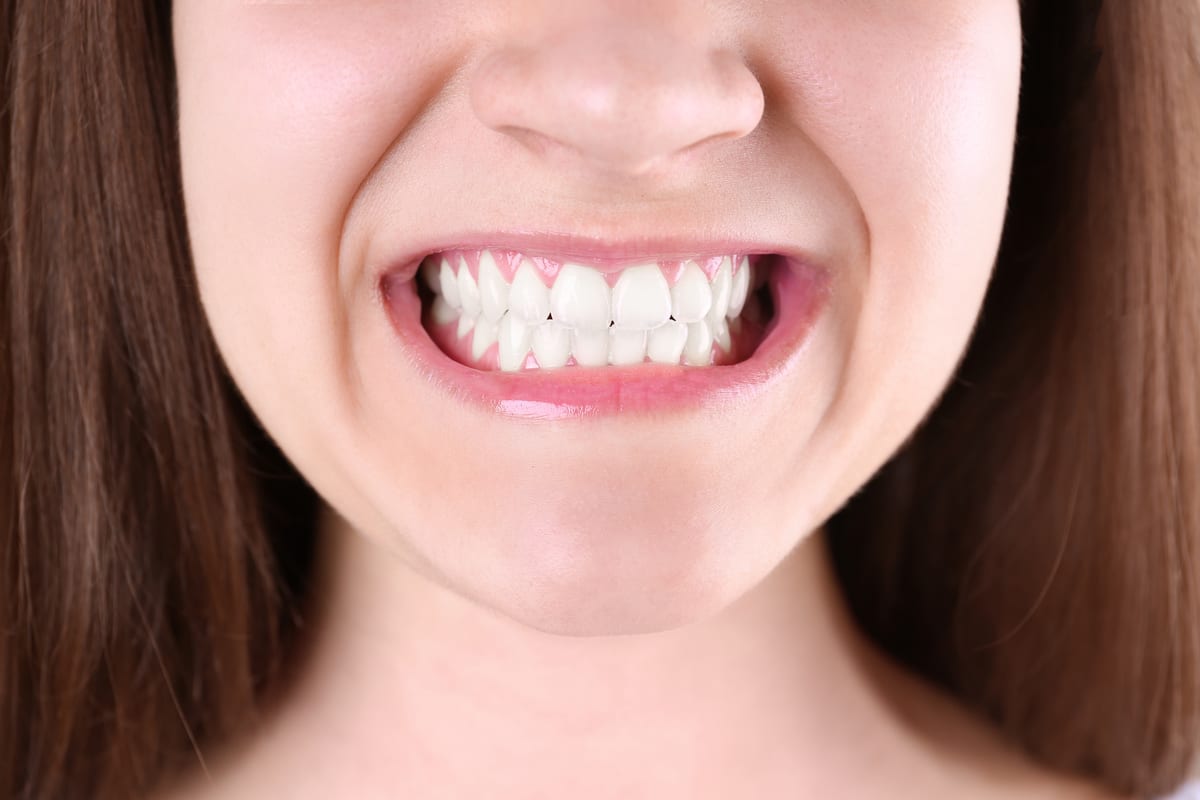
If you recently completed periodontal care, you may have questions about what comes next. Understanding what to expect after gum disease treatment, recovery week by week in Middleton, helps you heal faster and avoid setbacks. Dr. Peter Brzoza and the team at Coastal Dental Arts Peabody want every patient to feel informed and confident. This guide walks you through the entire recovery process — from day one to month two.
The First 48 Hours After Gum Disease Treatment
The first two days are typically the most uncomfortable. You may experience soreness, mild swelling, and some light bleeding near the treated gums. This is completely normal and expected after deep cleaning or scaling and root planing.
Your gums need rest and gentle care during this window. Avoid hard foods, alcohol, and smoking completely. Stick to cool or lukewarm foods only — nothing hot that could irritate sensitive tissue.
Here is what most patients experience in the first 48 hours:
- Mild to moderate gum tenderness
- Slight bleeding when brushing gently
- Some jaw soreness or stiffness
- Sensitivity to cold temperatures
- Minor swelling around the treated area
Use any prescribed rinse or over-the-counter antiseptic mouthwash as directed. Take pain relievers like ibuprofen to manage discomfort. Dr. Brzoza will give you specific instructions at your appointment — follow them closely for the best outcome.
Week One Recovery: What to Eat and How to Care for Your Gums in Middleton
During week one, your priority is protecting the healing tissue. Soft foods are your best friend right now. Choose items that require little to no chewing and do not irritate sensitive gums.
Good food choices during week one include:
- Mashed potatoes and soft cooked vegetables
- Yogurt, smoothies, and protein shakes
- Scrambled eggs and soft cheeses
- Oatmeal, applesauce, and bananas
- Soup broth — cooled to lukewarm before eating
Avoid popcorn, chips, seeds, and any crunchy or sticky foods. These can lodge in healing tissue and slow recovery. Also avoid acidic foods like citrus or tomato-based sauces that may sting inflamed gums.
Continue brushing twice daily using a soft-bristle toothbrush. Be gentle near treated areas. Floss carefully, or use a water flosser if brushing around sensitive spots is difficult. Good hygiene now directly affects your long-term results.
Weeks Two Through Four: Signs of Healing and What to Watch For
By week two, most patients notice a significant improvement. Swelling begins to subside. Bleeding during brushing should decrease noticeably. Your gums may still feel slightly tender, but discomfort should be manageable without medication.
Gum tissue often looks different as it heals. You might notice the gumline appears slightly higher than before. This is normal — it reflects reduced inflammation rather than gum loss. Some sensitivity to temperature may persist through this period.
Around weeks three and four, most patients return to a nearly normal diet. You can slowly reintroduce firmer foods. Continue avoiding anything that could trap debris or cause irritation near the treated sites.
Watch carefully for these warning signs during this phase:
- Increasing pain instead of decreasing pain
- Persistent or heavy bleeding beyond day three
- Fever or flu-like symptoms
- Pus or discharge from the gumline
- Loose teeth or bite changes
If you notice any of these symptoms, contact Coastal Dental Arts Peabody right away. Catching complications early protects your healing and prevents more serious issues from developing.
Long-Term Recovery and Maintaining Your Results in Middleton
Full gum healing typically takes six to eight weeks. However, the habits you build now determine whether gum disease returns. Periodontal care is not a one-time fix — it requires consistent maintenance at home and in the dental chair.
Dr. Brzoza recommends a periodontal maintenance schedule for most patients who complete gum disease treatment. These visits happen every three to four months instead of the standard twice-yearly checkup. They allow your dental team to monitor healing and remove bacteria before it causes damage.
Maintaining your results also means protecting the rest of your oral health. For families in Middleton, comprehensive dental care includes services like Pediatric Dentistry Middleton to keep every member of the household on track. And if you ever experience tooth pain linked to advanced infection, timely Root Canals Middleton can prevent further damage to surrounding gum tissue.
These daily habits support lasting gum health:
- Brush for two full minutes twice daily
- Floss once per day, every day
- Use an antiseptic rinse as recommended
- Quit tobacco in all forms
- Stay hydrated to support saliva production
- Attend all scheduled follow-up appointments
Pain Management Tips That Actually Work
Managing discomfort smartly makes recovery much easier. Over-the-counter ibuprofen or acetaminophen work well for most patients. Take them on schedule during the first few days rather than waiting until pain peaks.
Cold compresses applied to the outside of your jaw can reduce swelling in the first 24 hours. Use a cloth between the ice pack and your skin. Apply for 15 minutes on, then 15 minutes off.
Saltwater rinses are simple and effective. Mix half a teaspoon of salt into a glass of warm water. Swish gently for 30 seconds and spit. Do this three times daily starting on day two of your recovery.
Avoid anything that delays healing. Smoking restricts blood flow to gum tissue and dramatically slows recovery. Alcohol can interfere with medications and irritate healing gums. Give your body the clean environment it needs to repair itself fully.
When to Call Coastal Dental Arts Peabody Right Away
Most recovery experiences are smooth and predictable. But some situations require a prompt call to our office in Peabody. Never wait and wonder if something does not feel right.
Call us immediately if you experience any of the following:
- Severe or worsening pain after day three
- Swelling that spreads to your face or neck
- Bleeding that does not stop with gentle pressure
- Signs of infection such as fever or bad taste
- Any sudden change in your bite or tooth alignment
Dr. Brzoza and the team are here to support your recovery at every step. You should never feel like you are navigating this process alone. Prompt communication always leads to better outcomes.
Your Path to Healthier Gums Starts Now
Recovery from gum disease treatment is a journey — but it is a manageable one with the right guidance. Patients across Middleton and the surrounding area trust Dr. Peter Brzoza at Coastal Dental Arts Peabody for expert periodontal care and compassionate follow-through. Following your week-by-week recovery plan gives your gums the best chance to heal completely and stay healthy long-term. Book Now to schedule your appointment with our team.
Frequently Asked Questions
How long does it take to fully recover from gum disease treatment?
Most patients experience significant improvement within two weeks. Full gum tissue healing typically takes six to eight weeks. Your individual timeline depends on the severity of gum disease treated and how consistently you follow your home care routine.
Is it normal for gums to look different after periodontal treatment?
Yes, this is very common. Your gumline may appear slightly higher after treatment. This happens because inflammation has reduced, revealing the natural gum level. It is a positive sign that healing is progressing well.
What foods should I avoid after gum disease treatment?
Avoid hard, crunchy, and sticky foods during the first week. Also skip acidic foods like citrus and tomatoes that can irritate healing tissue. Soft, cool, or lukewarm foods are safest during early recovery. Gradually reintroduce firmer foods as tenderness subsides.
How do I know if my gums are healing properly after treatment?
Healing gums show less redness and swelling over time. Bleeding during brushing should decrease significantly by the end of week one. Tenderness gradually reduces week by week. If pain increases or you notice signs of infection, contact Coastal Dental Arts Peabody promptly.
Will gum disease come back after treatment?
Gum disease can return without consistent maintenance. Regular periodontal follow-up visits every three to four months dramatically reduce this risk. Strong daily hygiene habits — brushing, flossing, and rinsing — are essential for keeping gum disease from recurring long-term.



Want to schedule an appointment?
Ready to book your next appointment? Let's find the perfect time for you!
