1 Roosevelt Avenue, Suite 203 Peabody, MA 01960


Does Root Canal Treatment Really Hurt? What to Expect During Recovery
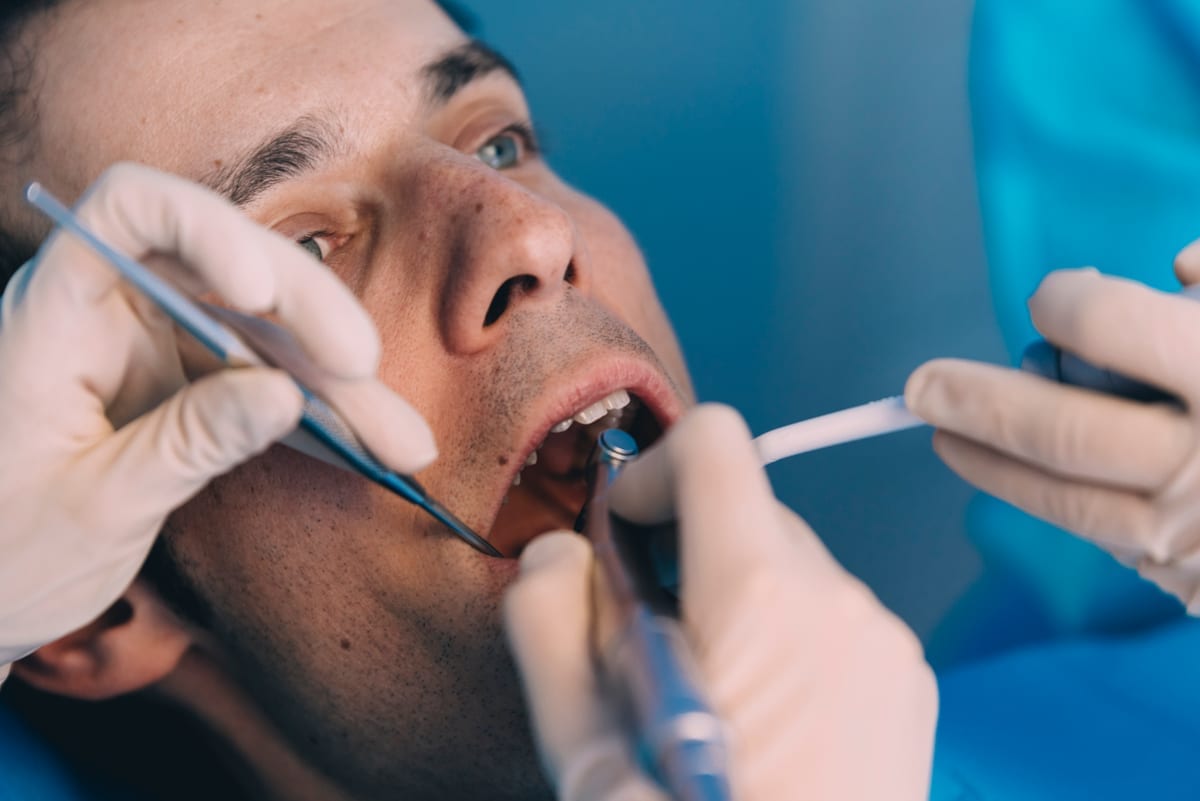
Many patients in Peabody, MA have one big question before scheduling treatment: does root canal treatment really hurt? It is one of the most misunderstood procedures in dentistry. The honest answer is that modern root canals are far more comfortable than most people expect. Understanding what happens during and after treatment helps remove a lot of that fear.
At Coastal Dental Arts Peabody, Dr. Peter Brzoza takes a patient-centered approach to Root Canals Peabody residents trust. The goal is always to make every step as comfortable as possible. This guide walks you through the truth about pain levels, anesthesia, and recovery.
Why Root Canals Have an Unfair Reputation for Pain
Root canals got their bad reputation decades ago — before modern anesthesia techniques existed. Patients who experienced treatment years ago may remember significant discomfort. Today, that experience is completely different.
The real source of pain is usually the infected tooth itself, not the procedure. A deep infection causes throbbing, pressure, and sensitivity before you ever sit in the dental chair. Most patients arrive already in pain. The root canal is what actually stops that pain.
Many patients are surprised to find the procedure feels similar to getting a filling. That shift in expectation matters. Once you understand what is actually happening, the anxiety tends to decrease significantly.
What Modern Anesthesia Does During Root Canal Treatment in Peabody
Local anesthesia is the cornerstone of comfortable root canal treatment. Dr. Brzoza numbs the tooth and surrounding tissue before any instruments are used. You should feel pressure and movement — but not sharp pain.
If any discomfort arises mid-procedure, the dental team can administer more anesthetic immediately. You are always in control. Patients at Coastal Dental Arts Peabody are encouraged to raise their hand if anything feels uncomfortable.
Here is what anesthesia actually does during your visit:
- Blocks nerve signals so you do not feel sharp or burning pain
- Keeps the tooth and gum tissue fully numb throughout the procedure
- Allows Dr. Brzoza to work thoroughly without rushing
- Wears off gradually after you leave, giving you time to get home comfortably
Some patients with severe infections may need extra time for the anesthetic to fully take effect. This is completely normal and expected. Dr. Brzoza will not begin the procedure until you are fully comfortable.
What You Actually Feel During and Right After the Procedure
During the procedure itself, most patients feel pressure and mild vibration. These sensations come from the instruments removing infected pulp tissue. They are not painful — just unusual if you have never experienced them before.
Your jaw may feel tired from staying open. The area around the injection site might feel slightly sore afterward. These are minor and temporary sensations that most people tolerate easily.
Right after the procedure, as the anesthesia wears off, you may notice:
- Mild tenderness around the treated tooth
- Slight sensitivity when biting down
- Soreness in the jaw or gum area near the injection site
- A feeling of pressure or fullness in the tooth
These post-procedure sensations are completely normal. They signal that healing has begun. Over-the-counter pain relievers like ibuprofen typically manage this discomfort well.
What to Expect During Recovery in Peabody
Recovery from a root canal is generally straightforward. Most patients return to normal activities the very next day. The first 48 to 72 hours are when any discomfort tends to peak.
Dr. Brzoza provides clear aftercare instructions to every patient at Coastal Dental Arts Peabody. Following those instructions makes a real difference in how quickly you heal. Sticking to soft foods and avoiding chewing directly on the treated tooth helps significantly.
Here is a general recovery timeline:
- Day 1: Anesthesia wears off, mild soreness begins. Rest and take over-the-counter pain relief as needed.
- Days 2–3: Discomfort may peak slightly. Swelling, if any, begins to reduce.
- Days 4–7: Most patients feel notably better. Sensitivity when biting decreases.
- Week 2 onward: The tooth feels close to normal. A crown is often placed to fully restore and protect it.
Persistent or worsening pain after day three is worth a call to our office. It is uncommon, but it can indicate the need for follow-up care. Our team is always available to address concerns quickly.
Tips for a Smoother Recovery
A few simple habits make recovery easier for most patients. These are practical steps, not complicated protocols. Small choices in the first few days can reduce discomfort significantly.
Follow these recovery tips from Dr. Brzoza:
- Eat soft foods like yogurt, soup, and mashed potatoes for the first few days
- Avoid chewing on the treated side of your mouth until the permanent crown is placed
- Take anti-inflammatory medication like ibuprofen at the first sign of discomfort
- Keep the area clean — gently brush and rinse as directed
- Avoid very hot or cold foods and drinks if sensitivity lingers
Staying ahead of discomfort is smarter than waiting until it becomes severe. Taking medication before the anesthesia fully wears off helps many patients stay comfortable through the first evening.
How Coastal Dental Arts Peabody Makes Root Canals More Comfortable
Dr. Peter Brzoza and the team at Coastal Dental Arts Peabody understand that dental anxiety is real. Many patients feel nervous before procedures like root canals. The entire care experience is designed to reduce that stress from the moment you walk in.
Clear communication is a priority. Dr. Brzoza explains each step before it happens so nothing feels unexpected. Patients who know what is coming tend to feel far more relaxed throughout the process.
Families who also need Pediatric Dentistry Peabody services will find the same gentle, educational approach for younger patients. Coastal Dental Arts Peabody is committed to making dentistry comfortable for every member of your family.
If tooth pain has been keeping you up at night, a root canal may be exactly what your smile needs. Do not let outdated fears stop you from getting effective relief. Book Now to schedule your appointment with our team.
Frequently Asked Questions
Does a root canal hurt during the procedure?
No — with proper local anesthesia, you should not feel sharp pain during the procedure. You may feel pressure and mild vibration, but not painful sensations. Dr. Brzoza ensures you are fully numb before beginning any treatment.
How long does recovery from a root canal take?
Most patients feel significantly better within three to five days. Mild soreness and sensitivity are common in the first 48 to 72 hours. Full recovery, including placement of a crown, is typically complete within a few weeks.
What helps with pain after a root canal?
Over-the-counter anti-inflammatory medications like ibuprofen work well for most patients. Taking them before the anesthesia fully wears off helps manage the transition. Soft foods and avoiding chewing on the treated tooth also reduce discomfort.
Is a root canal worse than a tooth extraction?
Many patients find a root canal easier to recover from than an extraction. A root canal saves the natural tooth and avoids the healing required after a tooth is removed. Recovery timelines are often shorter and less complicated.
When should I call my dentist after a root canal?
Contact Coastal Dental Arts Peabody if pain worsens after day three, swelling increases, or you develop a fever. These signs are uncommon but may indicate that follow-up care is needed. Our team is available to help you through every stage of recovery.


Want to schedule an appointment?
Ready to book your next appointment? Let's find the perfect time for you!