1 Roosevelt Avenue, Suite 203 Peabody, MA 01960




Why Your Whitening Results Fade (And How to Keep Them Bright)
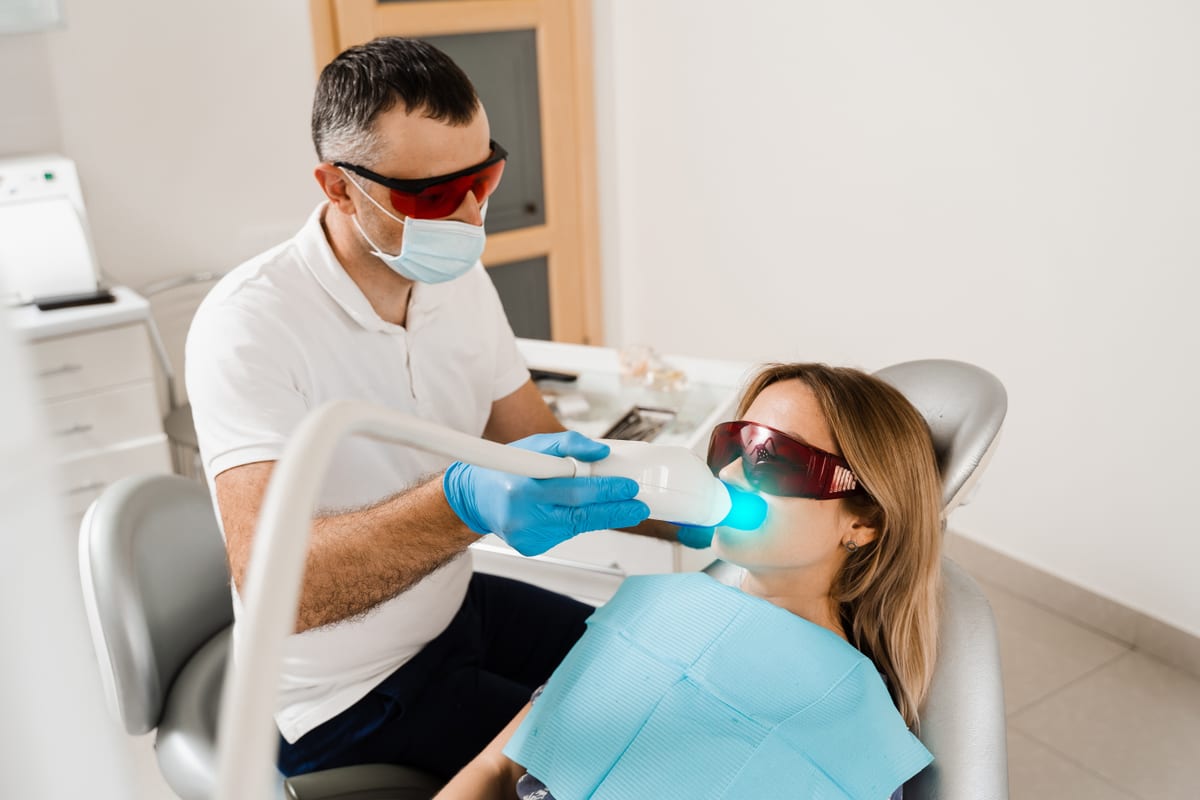
You invested time and money into a brighter smile. Now, a few months later, you notice it fading. Understanding why your whitening results fade and how to keep them bright in Peabody is the first step to protecting that investment. At Coastal Dental Arts Peabody, Dr. Peter Brzoza helps patients not only whiten their teeth but maintain those results for the long haul. This article walks you through the science, the habits that hurt, and the practical steps that help.
How Long Do Whitening Results Actually Last?
Most professional whitening results last between six months and two years. The range is wide because lifestyle habits vary greatly from person to person. Patients who are mindful about maintenance tend to stay on the brighter end of that spectrum.
Over-the-counter strips typically fade faster than professional treatments. Professional-grade whitening agents penetrate deeper into the enamel. That deeper action produces results that are both more dramatic and more durable.
Even so, no whitening treatment is permanent. Your enamel is porous, and it naturally absorbs color from the foods and drinks you consume. Understanding this helps you make smarter choices after your treatment.
The Habits That Shorten Your Whitening Results in Peabody
Certain daily habits are the biggest culprits behind fading results. Knowing what they are helps you decide where to make changes. Here are the most common offenders:
- Coffee and tea: Both contain tannins that cling to enamel and cause yellowing over time.
- Red wine: Deeply pigmented and acidic, red wine stains enamel quickly and effectively.
- Smoking or tobacco use: Nicotine and tar leave stubborn yellow and brown stains on teeth.
- Dark sodas and juices: Colas and grape or cranberry juices are surprisingly damaging to whitened teeth.
- Soy sauce and tomato-based sauces: Deeply colored condiments stain enamel with regular exposure.
- Poor brushing habits: Skipping brushing after staining foods speeds up discoloration significantly.
You do not have to eliminate these entirely. But reducing frequency and rinsing with water afterward makes a real difference. Small, consistent changes compound into lasting results.
Practical Tips to Keep Your Smile Bright Longer
Maintaining your whitening results does not require a complete lifestyle overhaul. It requires a few smart, consistent habits. Dr. Brzoza recommends a practical approach that fits into real daily routines.
Start with these actionable steps:
- Use a whitening toothpaste: Choose one with gentle abrasives to remove surface stains without damaging enamel.
- Drink through a straw: This reduces direct contact between staining liquids and your front teeth.
- Rinse immediately after staining foods: Water rinses help before you can brush properly.
- Brush twice daily and floss once: Good oral hygiene slows stain buildup between cleanings.
- Schedule touch-up treatments: A quick whitening refresh every six to twelve months keeps results consistent.
- Attend regular hygiene cleanings: Professional cleanings remove surface stains before they settle deeper.
Touch-up treatments at Coastal Dental Arts Peabody are quick and affordable. They are far easier than starting the whitening process from scratch. Consistency truly is the key to long-term brightness.
When Whitening Alone Is Not Enough
Sometimes, tooth discoloration goes beyond surface staining. Internal discoloration from medications, trauma, or decay requires a different approach. In these cases, whitening treatments may not deliver the results you expect.
Options like dental veneers or bonding can address intrinsic staining more effectively. These cosmetic solutions cover the tooth surface rather than bleaching it. Dr. Brzoza evaluates each patient individually to recommend the best approach.
It is also worth noting that restorations like crowns and fillings do not respond to whitening agents. If you have visible Restorative Dentistry Peabody work, whitening around those restorations may create uneven color. A consultation helps you set realistic expectations from the start.
Underlying dental health also plays a role. Gum disease or untreated decay can make whitening uncomfortable or ineffective. Even treatments like Root Canals Peabody can affect tooth color, which is something Dr. Brzoza factors into every treatment plan.
Why Professional Whitening Outperforms Store-Bought Options
The shelves at your local pharmacy are full of whitening products. They can provide modest improvements for minor surface staining. But they cannot match the strength or precision of professional whitening.
Professional treatments use higher-concentration bleaching agents. They are applied under controlled conditions to protect your gums and soft tissues. The result is faster, more even, and longer-lasting brightness.
Dr. Brzoza also customizes treatment to your specific tooth shade and sensitivity level. This personalized approach reduces discomfort and maximizes results. Patients in Peabody consistently report greater satisfaction with professional whitening compared to at-home kits.
Beyond the immediate results, professional whitening comes with expert guidance. You leave your appointment knowing exactly what to do and avoid. That education alone is a major advantage over guessing with drugstore products.
Frequently Asked Questions
How often should I get professional whitening touch-ups?
Most patients benefit from a touch-up every six to twelve months. The right frequency depends on your diet and lifestyle habits. Dr. Brzoza can recommend a schedule based on your specific situation during a routine visit.
Does teeth whitening damage enamel?
Professional whitening, when done correctly, does not damage enamel. The bleaching agents temporarily open pores in the enamel to lift stains. Dr. Brzoza uses professional-grade products that are both effective and safe for your tooth structure.
Why are my teeth sensitive after whitening?
Temporary sensitivity after whitening is common and usually resolves within 24 to 48 hours. The whitening agent can briefly irritate the nerve inside the tooth. Using a sensitivity toothpaste before and after treatment helps reduce this reaction.
Can I whiten my teeth if I have dental crowns or veneers?
Whitening agents do not change the color of crowns, veneers, or composite bonding materials. Whitening your natural teeth around these restorations can create a color mismatch. Dr. Brzoza will assess your existing dental work before recommending any whitening treatment.
What foods should I avoid right after whitening?
The 48 hours after whitening are the most critical for protecting your results. Avoid coffee, tea, red wine, dark sauces, and tobacco during this window. Your enamel is more porous immediately after treatment and absorbs stains more easily.
Understanding why your whitening results fade and how to keep them bright in Peabody puts you in control of your smile. The right habits, the right products, and the right professional support make a lasting difference. Dr. Peter Brzoza and the team at Coastal Dental Arts Peabody are here to guide you every step of the way. Book Now to schedule your appointment with our team.


Want to schedule an appointment?
Ready to book your next appointment? Let's find the perfect time for you!